

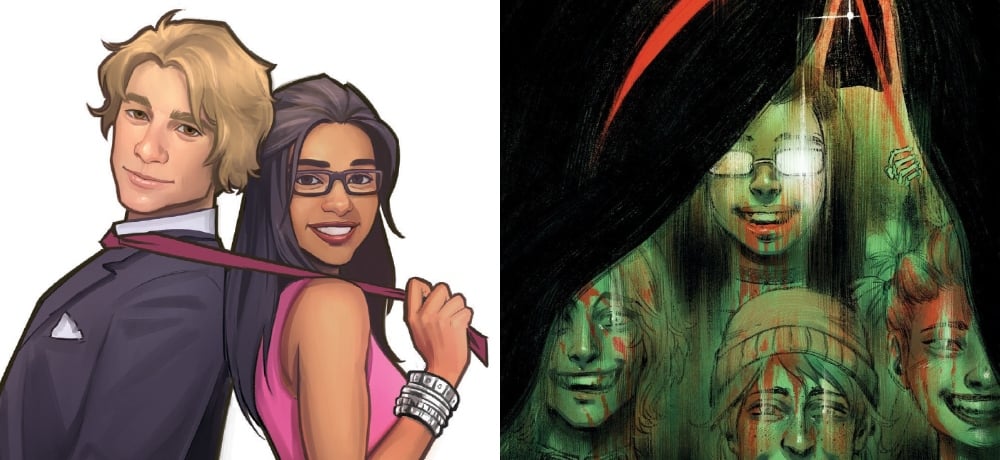
It can be tempting to look back on your formative years through rose-tinted glasses and want to live there forever, but would you really want to go back in time and never grow up if given the opportunity?
The unfortunate friends in the new five-issue comic book series Dead Teenagers don't have a choice, as they're forced to relive their 1997 prom night in a lethal time loop that kills them thousands of times through increasingly bizarre methods, with everything from a giant lizard to malevolent mannequins resulting in their violent demises before they reboot and live through death all over again with one goal in mind: to break the vicious cycle and figure out why for them, as Bowling for Soup once sang, "high school never ends."
Perfect for fans of Happy Death Day and ’90s slashers, Dead Teenagers is a blood-splattered ride down memory lane that is fun, heartfelt, and easily one of my favorite comic books of 2026. With Dead Teenagers #1 being released in comic book shops on March 18th via Oni Press, we caught up with writer Jude Ellison S. Doyle and artist Caitlin Yarsky to discuss exploring the horrors of nostalgia, coming up with creative death scenarios, and the ’90s films, comics, and TV shows that influenced them while working on their killer new comic book series.
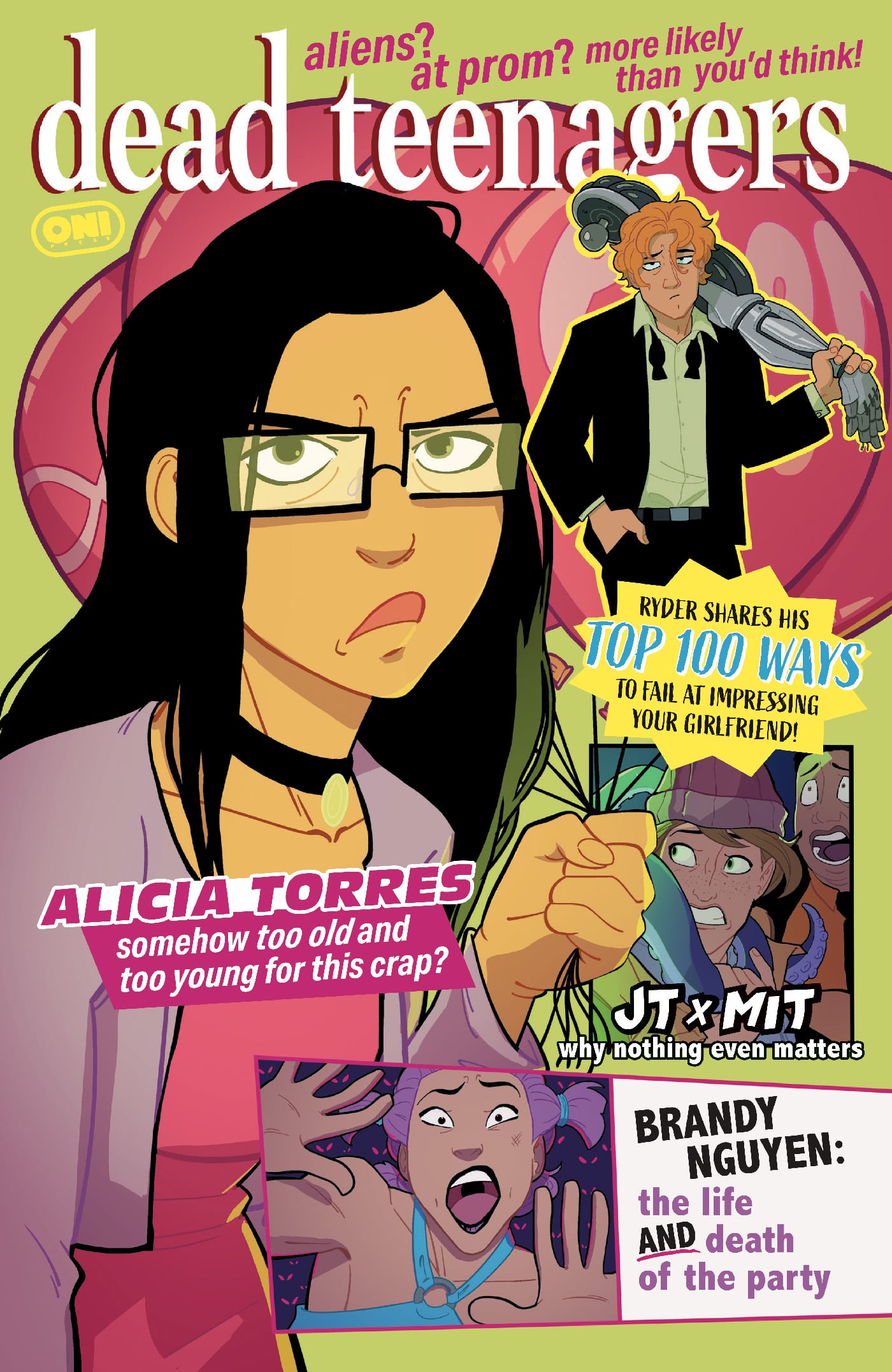
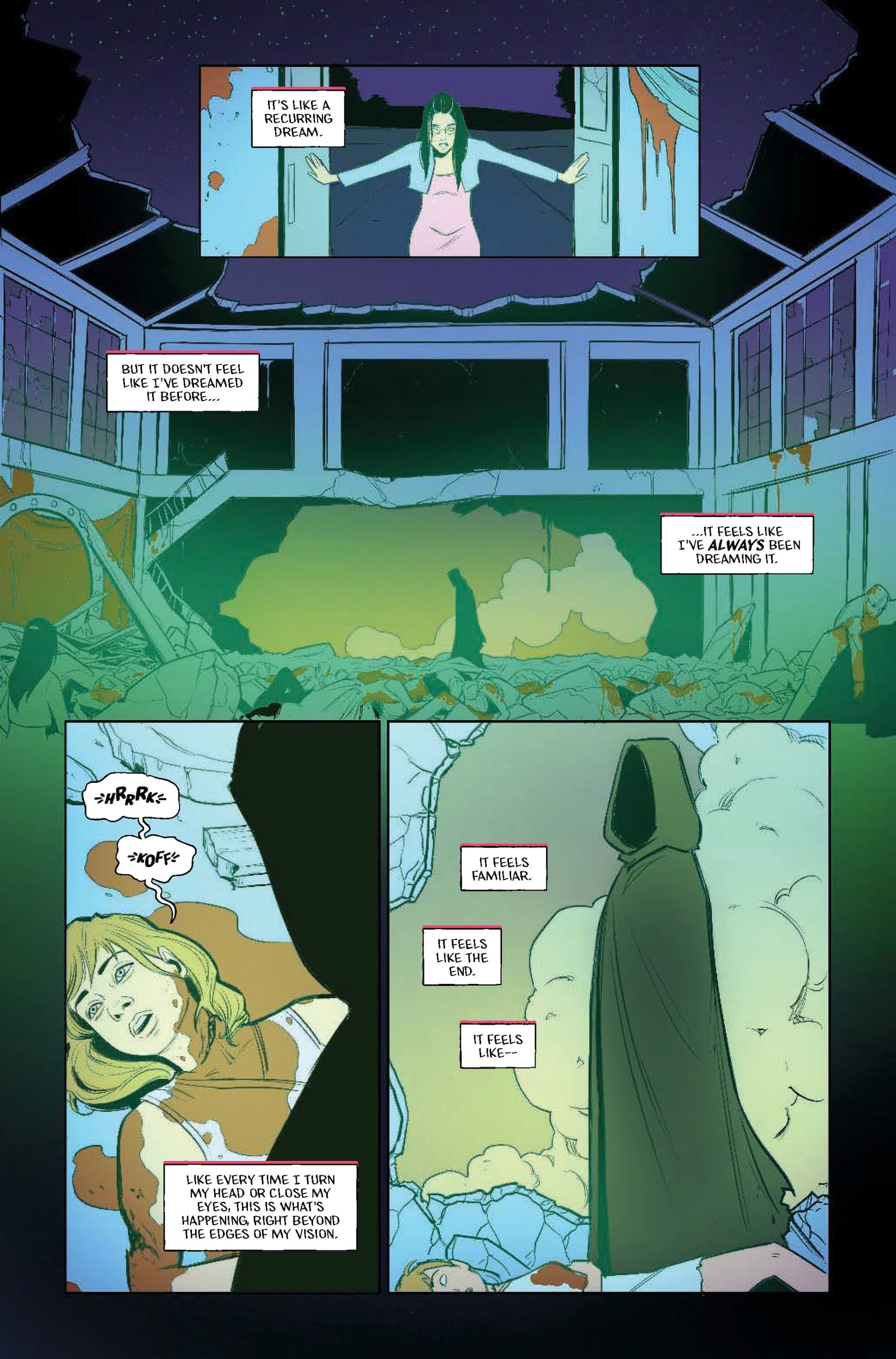
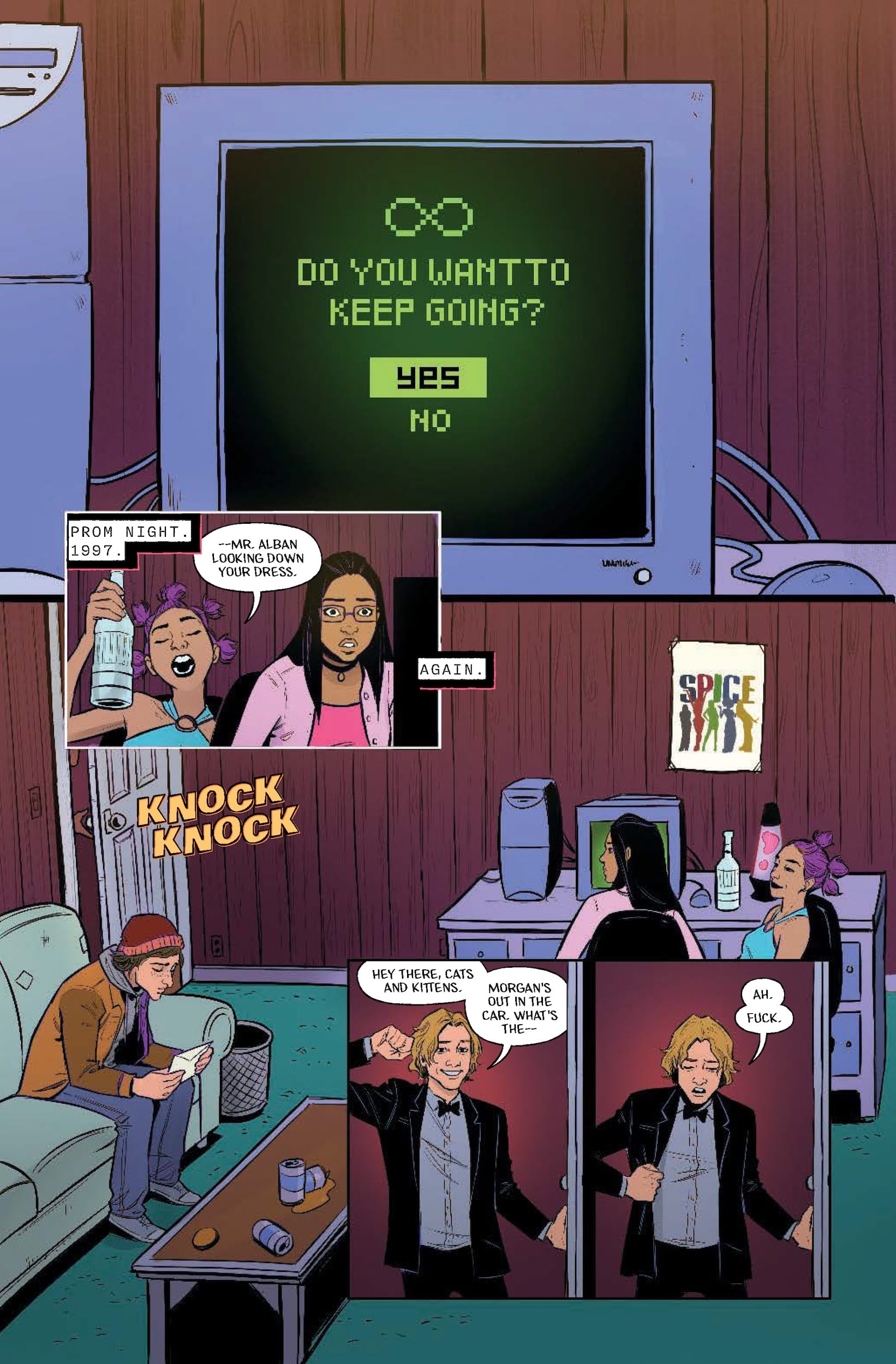
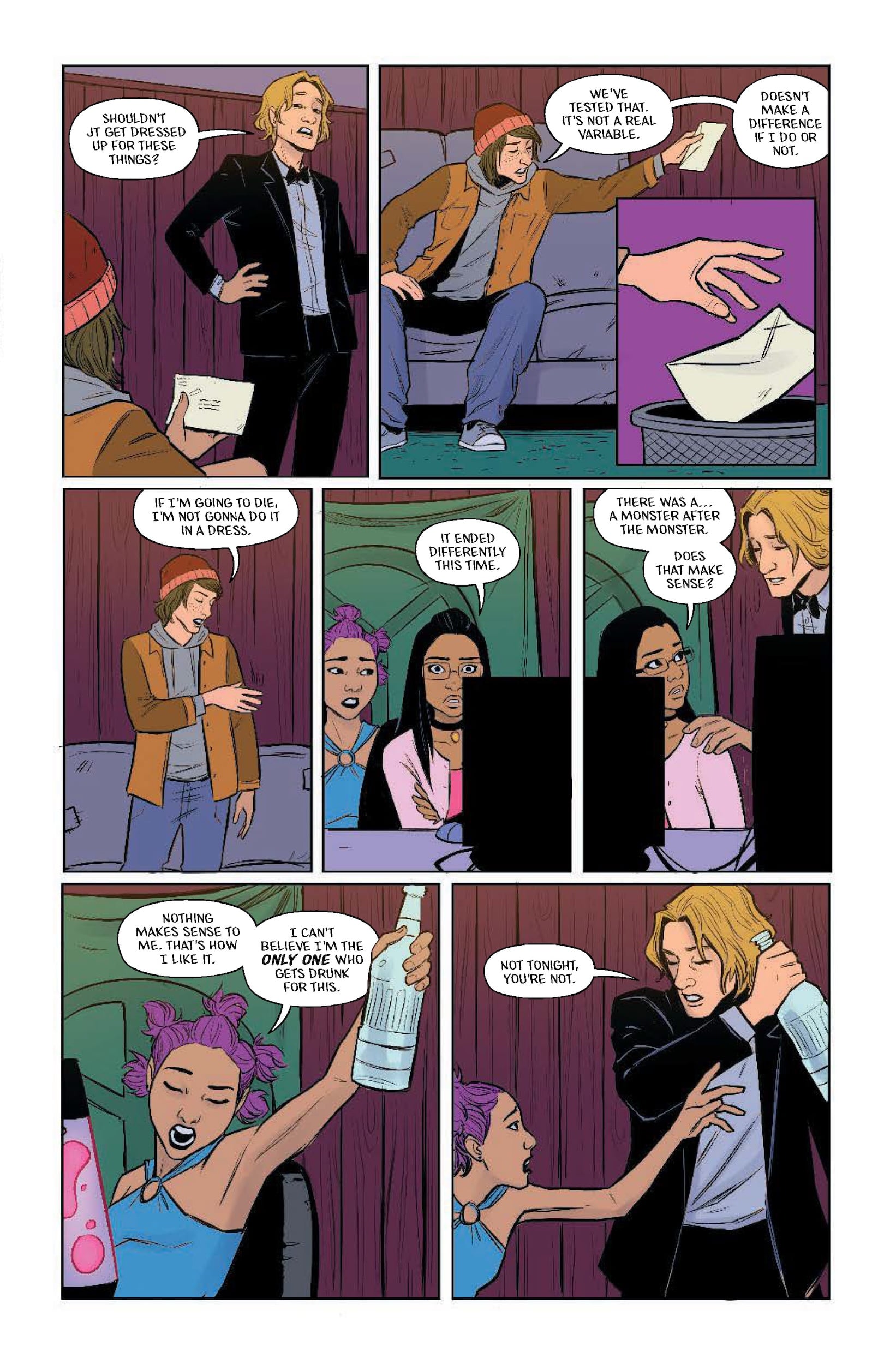
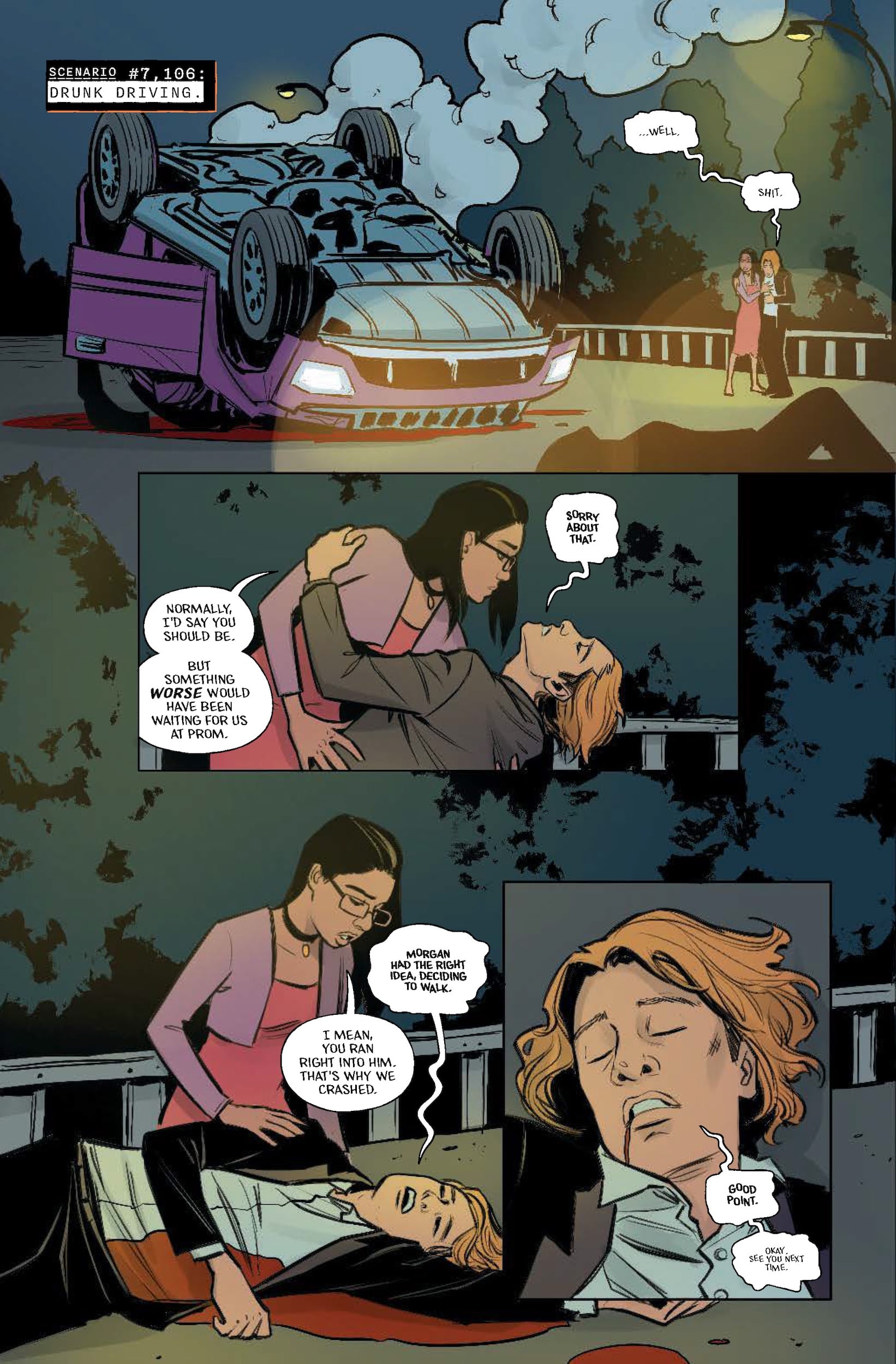
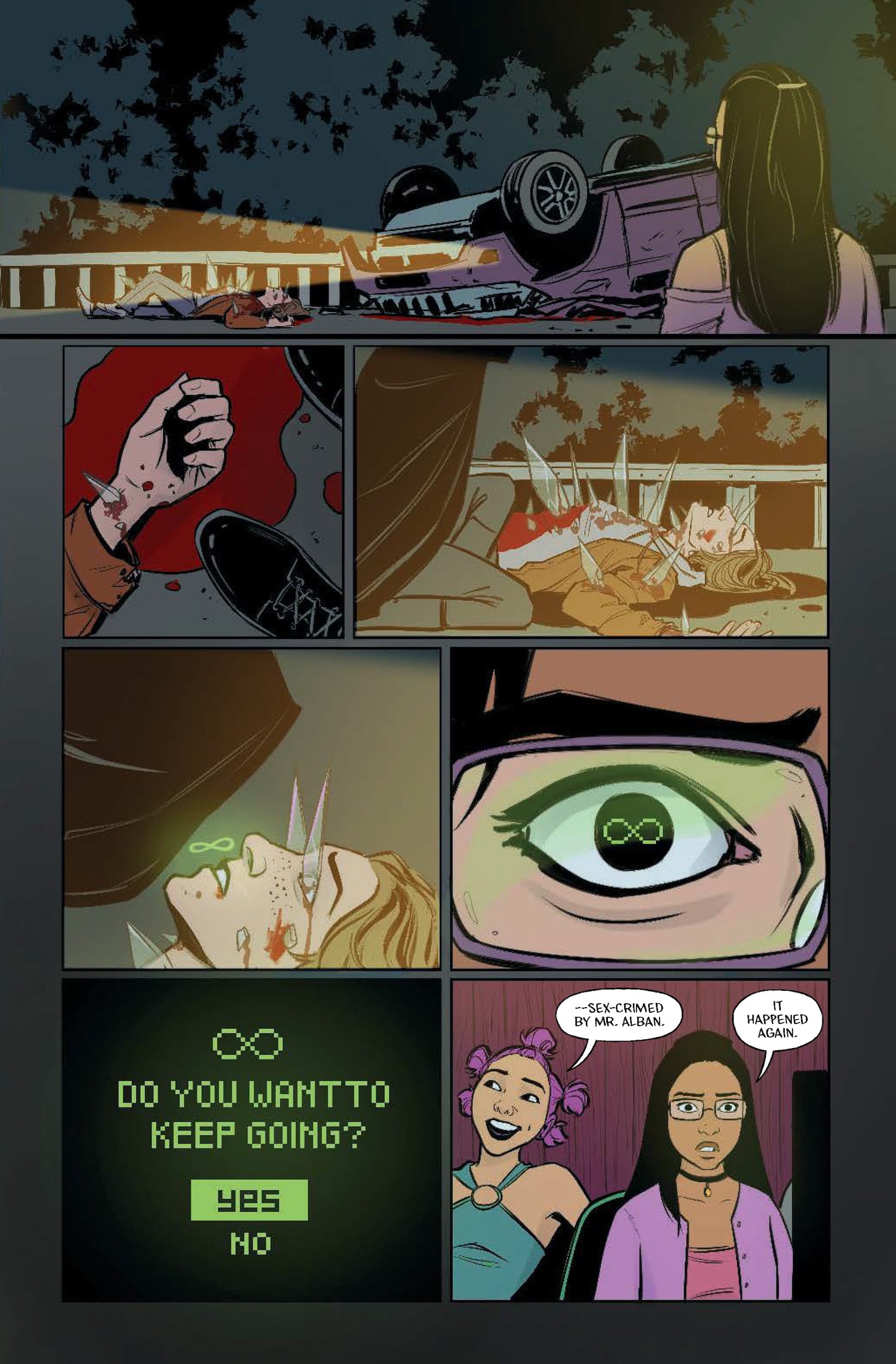
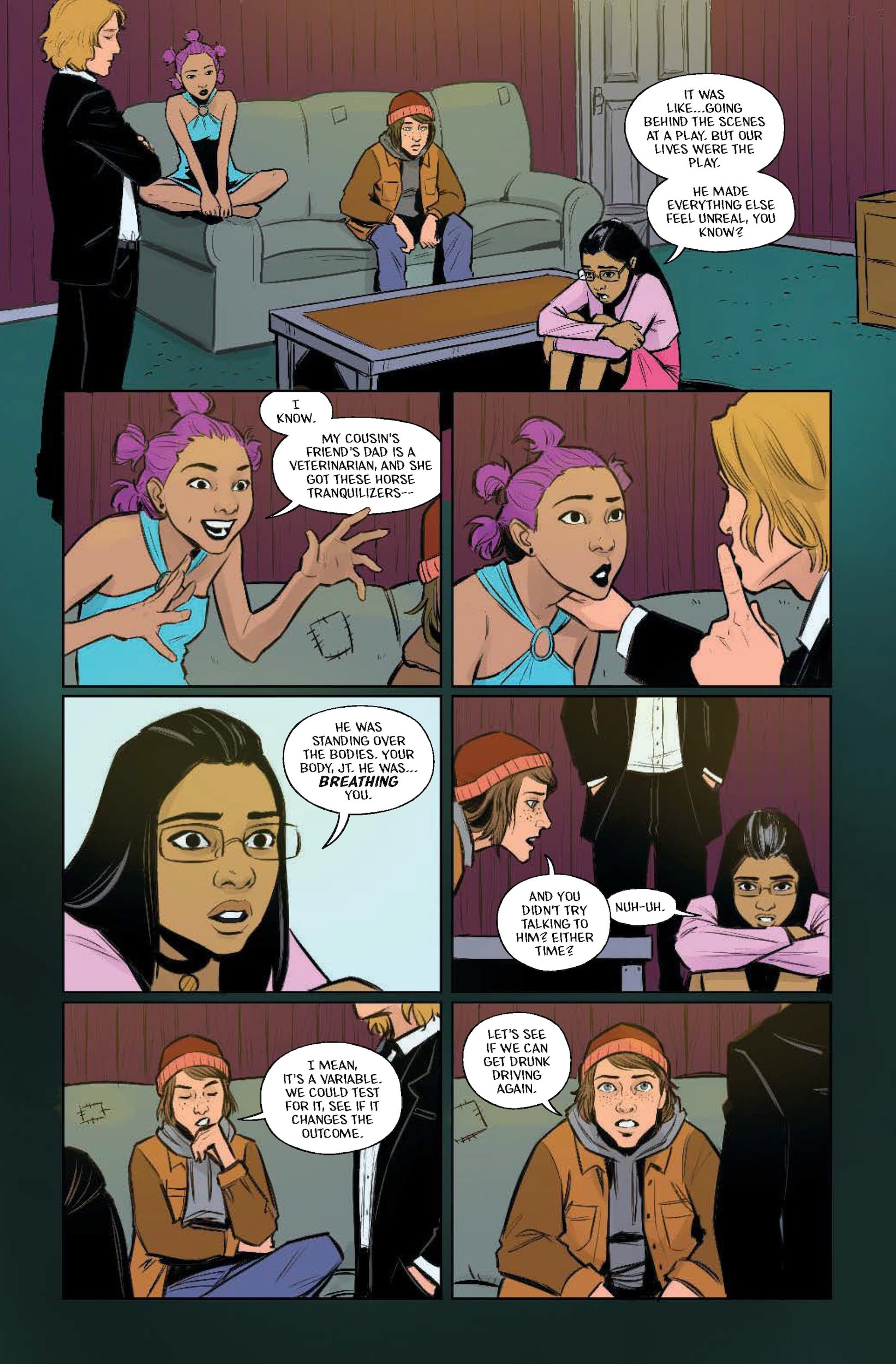
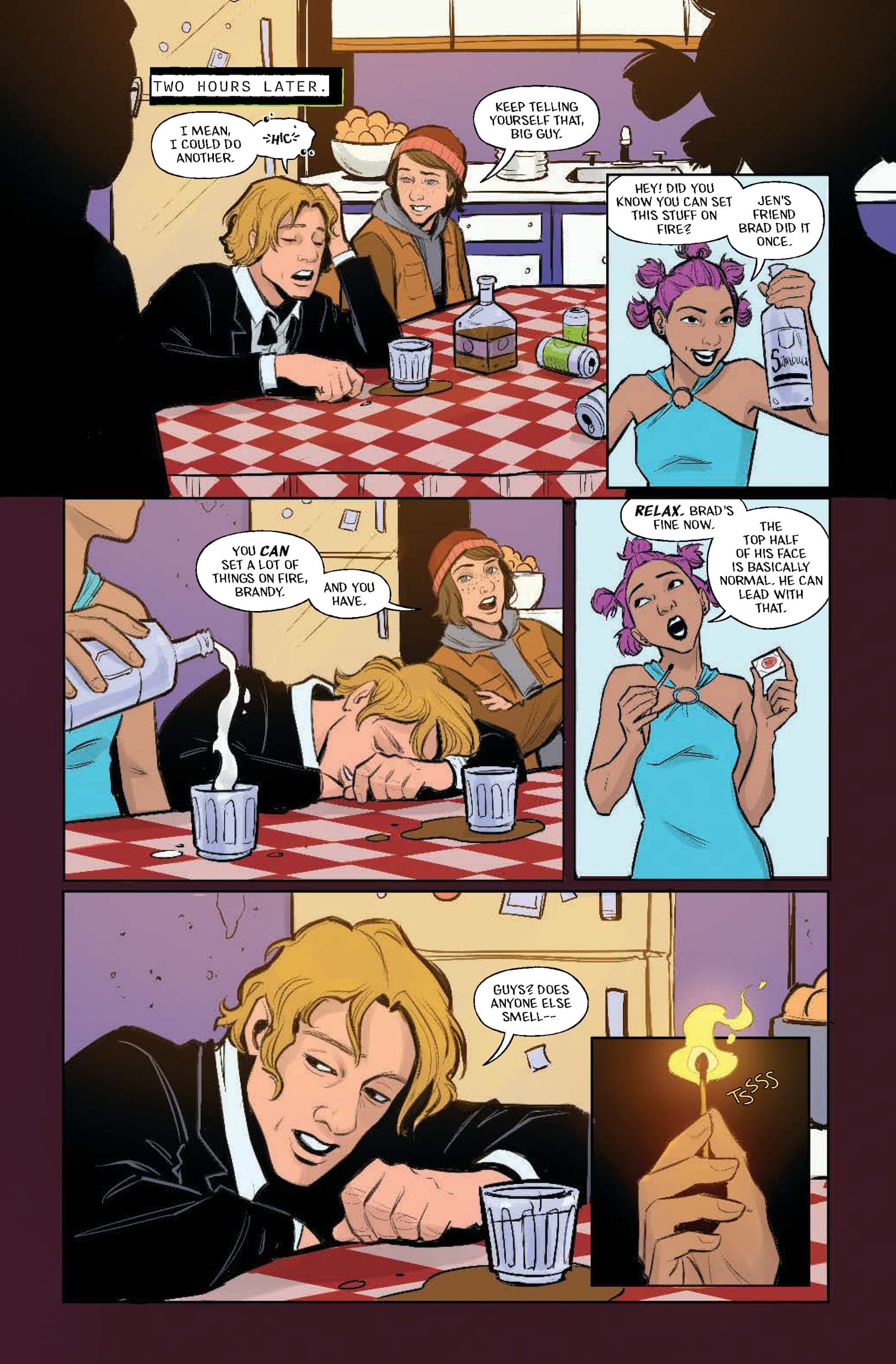
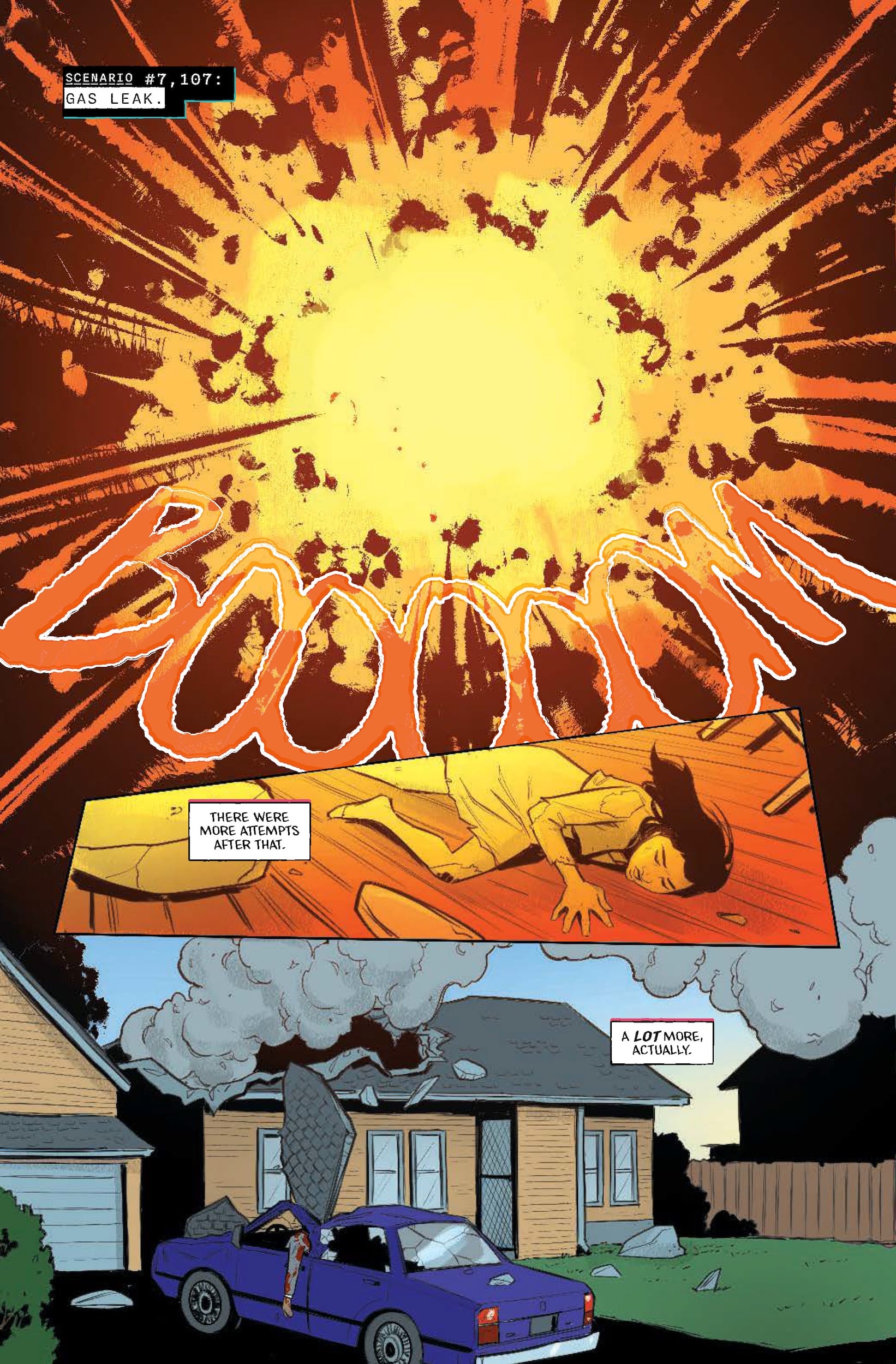
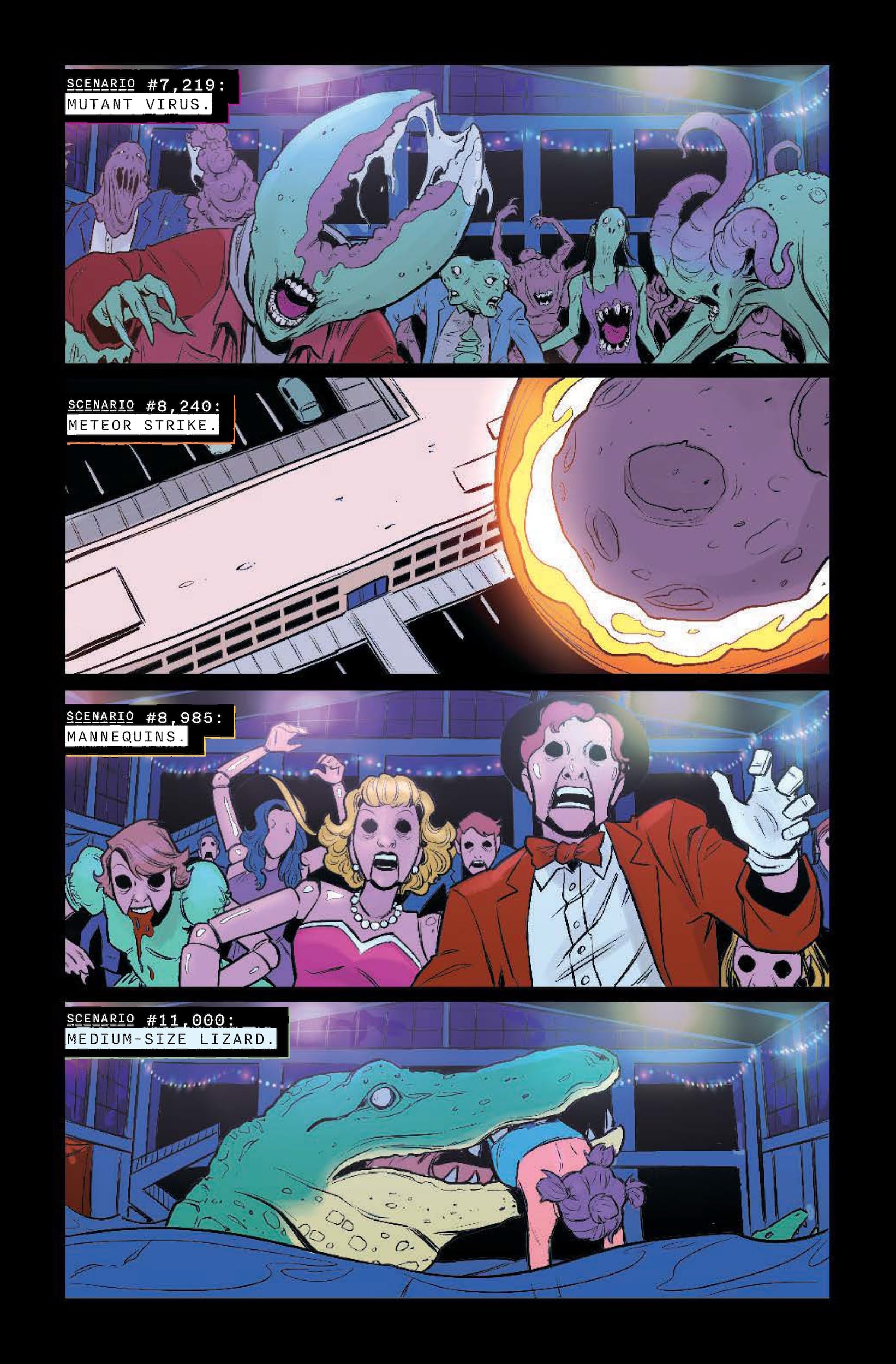
Below, you can read our full Q&A with Jude and Caitlin, and we also have a look at the cover art and preview pages from Dead Teenagers #1. To learn more about this series and other exciting releases, be sure to visit:
Thank you for taking the time to answer questions for us, Jude and Caitlin, and congratulations on your new comic book series Dead Teenagers! I love time loop stories and really dug the first issue of this series. When did you initially come up with the idea for this mind-bending story?
Jude Ellison S. Doyle: There were a lot of origin points for this story, not least the fact that I’m now a grown-up and have a lot more compassion for teenagers and my own teenage self than I used to, but the truth is, I thought it would be fun to have a high-school reunion for slasher teenagers where they all commiserated about the most embarrassing ways they had died. I wanted to see someone cope with the existential horror of realizing they were only created to be drowned in a toilet by the enraged mutant son of their mean landlady, or something. Then I realized they would have to be alive in order to look back on their deaths, and that sort of slowly folded out into this idea.
Dead Teenagers swaps the rose-tinted glasses of nostalgia to look at the past through a nightmarish lens that pulls no punches. How important was it for you both to tap into the horrors of nostalgia with this story?
Jude Ellison S. Doyle: I think we romanticize “the teen years”—or OUR teen years—as this ideal point in time when you were just grown-up enough to have fun and fall in love, but not yet adult enough to have any real problems. Even people who had really horrible teenage experiences tend to project that image of carefree youth onto other people. I do.
The truth is, though, that nearly anyone who grows up enough has the experience of looking back at their teen years and realizing that things were really screwed-up and hard back then, sometimes in ways they didn’t even have names for at the time. Forms of sexual violence that we protest today were normalized, or slurs and other forms of bigotry that we consider horrible today were part of everyday conversation; just look at those famous John Hughes movies, where every other line is a rape joke or a gay joke.
Being a teenager isn’t any easier or safer than being an adult, even if you don’t always have the vocabulary to name what’s wrong. So that’s what Dead Teenagers is about: the characters are slowly realizing that all the violence they’re growing up with, which they’ve taken almost for granted, isn’t actually normal or okay.
Caitlin Yarsky: Horror may be the most fitting genre to contextualize and express the dark side of growing up. Like Jude said, being a teenager isn’t any safer than being an adult. It’s really often less safe, depending on our environment and the people around us. We don’t have autonomy or control over our lives at that time, and talking about it can be scary because we don’t know who we can trust. I think horror can help convey that feeling of helplessness and fear, while also reminding us that we’re not alone.
Your core cast of high school friends have great chemistry together (even if they do accidentally blow each other up sometimes), and they feel like real people who are thrown into a very extraordinary situation. How important was it for you to make these characters endearing and believable so that readers really feel an emotional impact when they die (over and over again)?
Jude Ellison S. Doyle: This is a coming-of-age story—these are characters who have developed a pattern and a routine and a comfort zone, even in the midst of chaos, and as they move forward, the status quo has to fall apart so that they can grow up. I wanted them to have a lived-in, team feeling—the audience needs to feel comfortable with them right away, as if they’d been reading about these characters and going through the loops with them for years. That camaraderie and shared history between them makes the time loops, perversely, feel “safe;” it feels like you know how this world works, and you’re never alone there. As the story moves forward, and the rules change, I think we lose that sense of safety. We don’t always know what comes next.
Caitlin Yarsky: Jude does a stellar job of writing characters you feel for. And honestly, none of the plot would matter at all if he hadn’t achieved that first. You have to care about these people, or the story feels flat. Their lives are all intertwined in various ways and it makes you root for them and hope they come out of the nightmare together.
As someone who grew up in the ’90s and has fond memories of the decade (especially the fashion, films, and music of the late ’90s), I absolutely love how this series is set in 1997 (even though it is a nightmare scenario for its characters). What was it about that era in particular that made you want to set the time loop in 1997?
Jude Ellison S. Doyle: I’m about the same age as these characters, and I felt like, if I want to really dive into the painful and embarrassing parts of being a teenager, I need to write what I know. I have a really glamourized view of the early ’90s, because I was a pre-teen wishing I could be a teenager, but my actual teenage years were the TRL era, and I wanted to get into the tackiness of that—like, every single kid at this school just loves Third Eye Blind, to a degree that’s truly unhealthy, and they’re all drinking Mike’s Hard Lemonade and Zima as their “sophisticated” adult drinks, and they’re dressed like the dELiA*s catalogue threw up on them. I have a lot of teen regrets I was channeling here, and thankfully Caitlin was willing to visit those horrors in her art.
Caitlin Yarsky: I also grew up in the ’90s and the aesthetic is so unique and bizarre. Fashion, music, art; it was loud, unapologetically emotional, and of course it was the last time people lived without smartphones and social media. While there was plenty about society that was unhealthy, it was an era where people interacted in person a lot more.
From a mutant virus and a meteor strike to a ravenous giant lizard (and an equally deadly medium-size lizard), you come up with a lot of fun ways to crash the prom and kill your beloved characters (I’m especially intrigued by the living mannequins scenario). How much fun did you have coming up with different methods of death in this series, and are there any killer scenarios that you really loved but didn’t make the final cut?
Jude Ellison S. Doyle: I had a document called “Stupid Deaths” that I added to as the script progressed—I was just watching the most low-budget direct-to-video slashers every night for inspiration, trying to figure out how I could make the deaths even more ridiculous. There were things I knew I wanted to do, just for me; there had to be a giant lizard. Someone had to go to space. A lot of the scenarios that got cut were the more “realistic” ones—I wanted to explicitly acknowledge school shootings as a thing, in at least one issue, but it made the entire issue feel way too dark, and we couldn’t come back from it. I also kept insisting there had to be a Johnny Mnemonic cyberpunk scenario, because that felt very ’90s, but everyone thankfully ignored me.
While working on Dead Teenagers, were you both influenced or inspired by any other time loop or high school stories in film, television, books, comics, or video games (horror or otherwise)?
Jude Ellison S. Doyle: There are a lot of straightforward teen comedies that I looked to for inspiration. I think Clueless and Mean Girls and 10 Things I Hate About You are just effortless, beautiful movies that don’t get the critical respect they deserve because they were made for teenage girls. I also think of Final Destination as a comedy, though that’s probably my problem. I also, strangely, pulled from superhero comics; I loved X-Men comics as a kid, particularly the teen series Generation X, because the characters had that found-family dynamic, and the inter-scene banter was often just as interesting as whatever they were fighting.
Caitlin Yarsky: All of the media Jude mentioned was inspiration for me too. I was also a big Buffy fan and read a ton of Goosebumps, Fear Street, and Stephen King books. There were movies like She’s All That and shows like Clarissa Explains It All that will always live in my head rent-free.
Caitlin, you created a great variant cover for Dead Teenagers #1 that pays homage to the iconic ’90s film Pretty Woman, and I understand that you’ll be honoring other ’90s films with a variant cover for each upcoming issue. Can you give us a tease of which ’90s films you’ll be celebrating on future covers?
Caitlin Yarsky: Haha I’m not sure how many I can spoil, but I’ll say that Clueless is in the mix!
From the first draft to the final version, approximately how long did it take to write and illustrate Dead Teenagers, and did you communicate with each other a lot while working on the series?
Jude Ellison S. Doyle: I tend to write limited-series scripts all at once, because it helps me to keep continuity if I can see the whole story from beginning to end. That said, Dead Teenagers was probably the most complex script I’ve written, and it went through the highest number of drafts before I handed it in. I was fine-tuning dialogue right down to the moment it went to press, because humor, especially dark humor, has to be so specific; if you miss the mark by even a fraction of an inch, it’s painful for you and the audience. Which is to say: Caitlin and I collaborated quite a bit, very directly, over the course of this series, and she was incredibly creative and adaptive. I was blessed. I also think Becca Carey, our letterer, probably qualifies for sainthood at this point.
Caitlin Yarsky: Thankfully, the schedule for me was quite flexible, so I was able to dedicate a lot of time and effort to this series (especially paying attention to the prom crowd scenes, which in retrospect I could’ve drawn at a lower angle and saved myself some late nights!)
What has it been like to work with the team at Oni Press as you prepare to release the first issue of Dead Teenagers?
Jude Ellison S. Doyle: I’ve been working with Sierra Hahn and Allyson Gronowitz since my first comic, and they’re two of the best editors I’ve ever had. I trust them both implicitly. I also have to say that Oni has gotten behind this series and worked at getting it into people’s hands to a degree that’s really rare in publishing—I always felt the care that everyone was putting into this comic, at every step down the line. It’s a cliché, but comics really are a team effort, and this has been an exceptional team.
Caitlin Yarsky: Allyson and Sierra have been absolutely wonderful to work with. Allyson was so on top of everything, diligent and thorough but kind with her feedback. Everyone put in 110 percent, including the marketing department—they really pushed hard to get the word out and promote it, which I’m super grateful for. Shoutout to this amazing team!
Ultimately, what do you hope readers take away from this comic book series?
Jude Ellison S. Doyle: Fun, hopefully. It’s a dark time and we could all use a break. But also, I want people who don’t normally see themselves or their teenage struggles portrayed in the media to feel seen, and I want to give us all a little encouragement to reckon with our formative traumas and leave our safe zones and grow up.
Caitlin Yarsky: Entertainment for sure, but as Jude said, there are deep themes in here that I hope resonate with people who may feel unrepresented or unheard. I hope people find it exciting and fun, but also meaningful and something they would want to revisit.
Dead Teenagers is initially planned as a five-issue series, but do you have plans to continue this story beyond a fifth issue if given the opportunity?
Jude Ellison S. Doyle: I think the ending is pretty conclusive—but, you know, nothing’s over until you’re dead. Sometimes not even then.
What advice would you give to comic book writers and artists who are just getting started?
Jude Ellison S. Doyle: (1) Write a million billion things you are never going to show anyone, (2) don’t get married to anything before you get the greenlight, and (3) every failure is fertilizer.
I was invited to pitch BOOM! Studios back in 2021, and I had a bunch of pitches, but there was one that I loved—a horror comedy about teens coming of age in the late ’90s—that got rejected. I actually wrote that whole series, about 12 scripts, because I didn’t want to let go of it. Some of that later became a thing that I self-published, but the full thing is still rotting away on my hard drive, because the fact is that I wasn’t ready yet. It wasn’t good. Then this idea came around. This happens all the time: I wrote a rape-revenge comic in my early 20s, and lost the script, and then the pitch BOOM! actually greenlit ten years later was Maw, which was a much more evolved and three-dimensional version of that idea. I wrote a short story that I hated; one little throwaway line concerned a little boy who looked normal, but everyone who touched him started screaming. That one line became Be Not Afraid, which I just wrapped up.
I read once that Sylvia Plath never threw a draft away; she just kept working on it until she had a full poem, no matter how long it took. I don’t know if Sylvia Plath is the best role model, but I do try to take that approach. Every bad piece of writing is just the seed of the good writing it could become.
With Dead Teenagers #1 being released in comic book shops on March 18th, what other projects do you both have coming up that you can tease for our readers, and where can they go online to keep up to date on your work?
Jude Ellison S. Doyle: I’ve written a whole bunch of things in the last year—aside from Dead Teenagers, there’s Be Not Afraid, which just wrapped up at BOOM!, and DILF: Did I Leave Feminism, which is my obligatory non-fiction book about my transition. I think I might actually be slowing down now, which is nice, but you can usually find me on Bluesky at @judedoyle.bsky.social, or on my newsletter at jude-doyle.ghost.io.
Caitlin Yarsky: Last summer, my first solo series Living Hell came out as a trade paperback by Dark Horse. If you’re into demon hunters and spectacularly dumb dogs, this is one for you to pick up. I’m also working on a miniseries written by Michael Conrad for Magic the Gathering: Untold Stories with Dark Horse. OH! And I wrote/drew a short story for Godzilla Vs. America: Portland with IDW, coming out next month I believe. I’m mostly on Bluesky these days.
---
From the Press Release: BEING A TEENAGER FOREVER IS ONE HELL OF A DEATH SENTENCE! Oni Press – the multiple Eisner and Harvey Award-winning publisher of groundbreaking comics and graphic novels since 1997 – is proud to present a look inside the terrifying, decade-warping pages of DEAD TEENAGERS #1, the ’90s-era time loop of terror that finds five friends living (and dying) endlessly inside their high school prom night. Get an extended look inside the first issue of the sardonically sharp and gloriously gory new series from GLAAD Award-nominated writer Jude Ellison S. Doyle (Maw, Be Not Afraid) and Eisner Award-nominated artist Caitlin Yarsky (Black Hammer Reborn, EC's Cruel Universe) before the first issue arrives in comic shops everywhere on March 18th, 2026!
"The only thing scarier than change is never changing,” said Jude Ellison S. Doyle. “Dead Teenagers is a story about the terror of nostalgia—how it draws us in and keeps us trapped in a youth that was never as fun as it was cracked up to be—and a love letter to the rambunctious, goofy energy of all the slashers that I love."
Since 1997, five friends have been trapped in the ultimate nightmare as a mysterious entity forces them to relive their first prom night over and over again . . .and re-kills them in new and increasingly insane ways each time. They dress up. They party. They make out. And no matter what they try to change, they always die . . . until now. Something is about to break the cycle that has kept J.T., Ryder, Brandy, and their group of friends locked in a bizarre purgatory beyond all understanding . . . but what they find on the other side will be the most disturbing revelation of all.
"Most of us wouldn't choose to experience our teenage years again, given the chance…but what if you couldn't escape from it?” said Caitlin Yarsky. “This story eloquently explores identity, ostracism, patriarchy, empathy and so much more, all wrapped up in ’90s teen thriller and horror movie nostalgia."
With a unique variant cover on each issue by interior series artist Caitlin Yarsky paying homage to an iconic film from the decade – alongside main covers by Naomi Franq (Tales from Harrow County: Death's Choir) and variants by Keyla Valerio (Stranger Things: The Voyage) and Brandt&Stein (Crowded) — break the cycle with the deadly clever DEAD TEENAGERS #1 this March 2026, only from Oni Press.
For more updates on Oni Press, visit them on Bluesky, Facebook, and Instagram.
DEAD TEENAGERS #1 (of 5)
WRITTEN BY JUDE ELLISON S. DOYLE
ART BY CAITLIN YARSKY
COVER A BY NAOMI FRANQ
COVER B BY KEYLA VALERIO
COVER C BY CAITLIN YARSKY
FULL ART VARIANT (1:10) BY NAOMI FRANQ
VARIANT COVER (1:20) BY BRANDT&STEINON SALE MARCH 18 | $4.99 | 32 PGS. | FC
COVER A BY NAOMI FRANQ
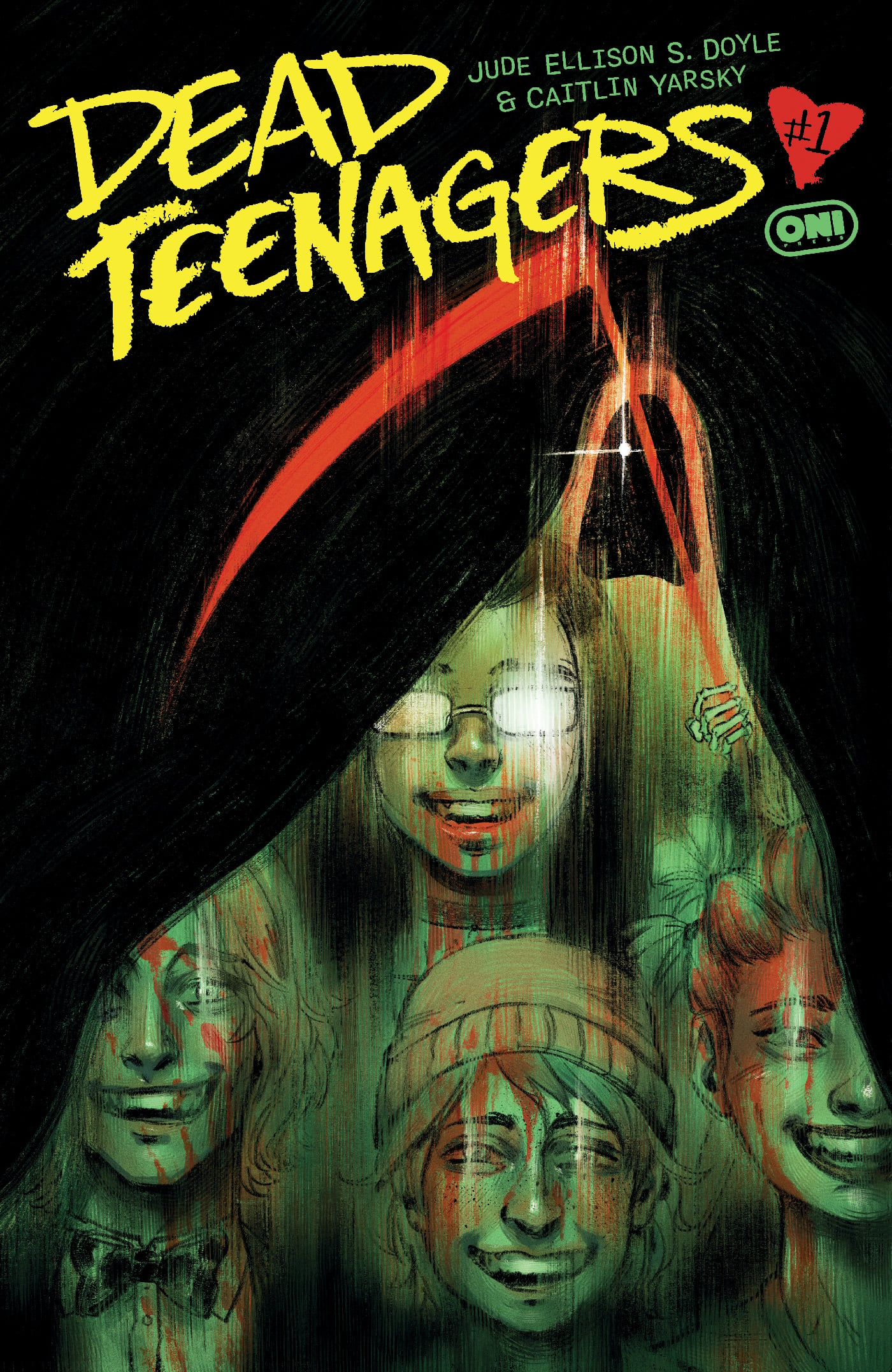
COVER B BY KEYLA VALERIO
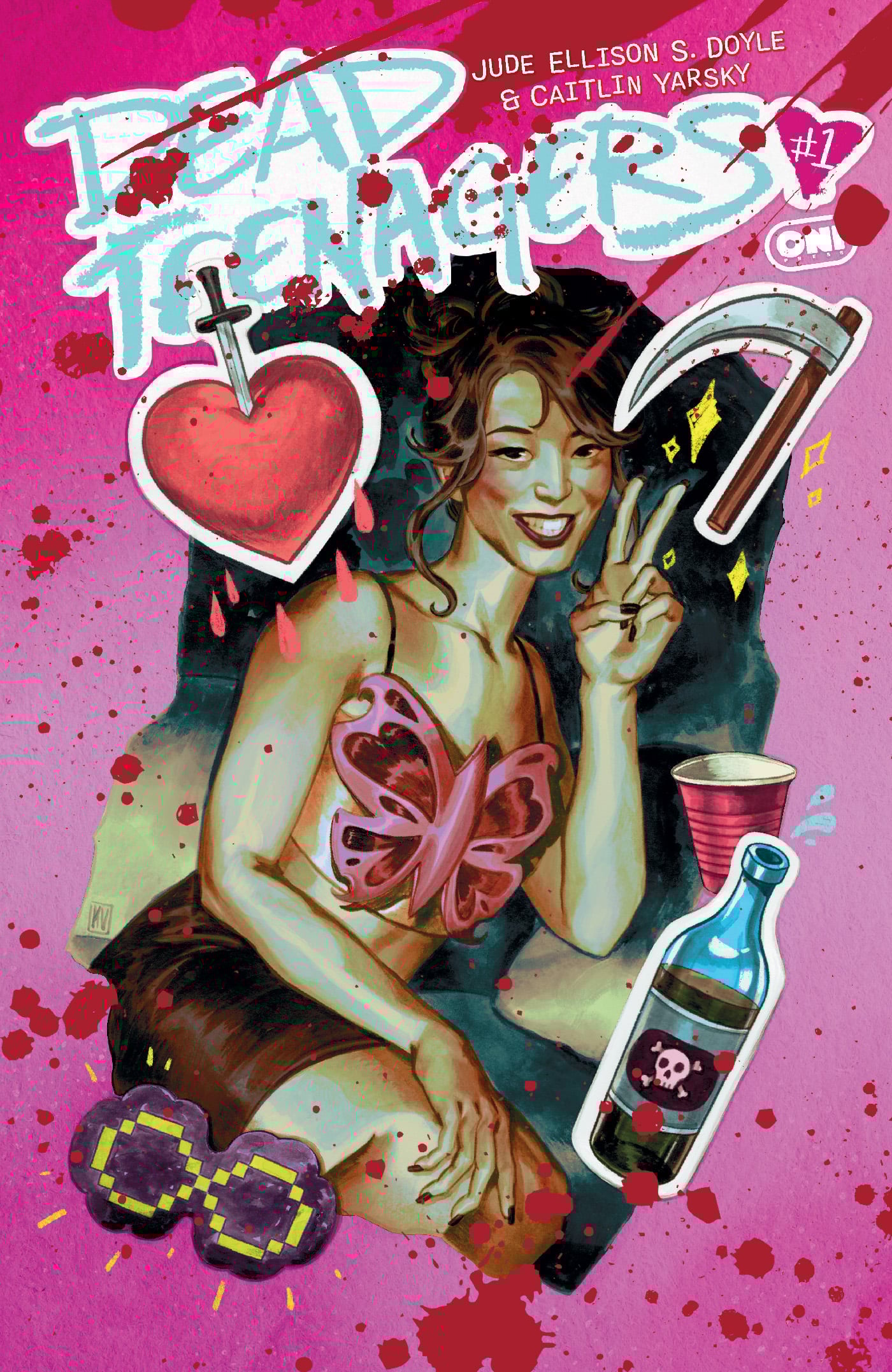
COVER C (HOMAGE VARIANT) BY CAITLIN YARSKY
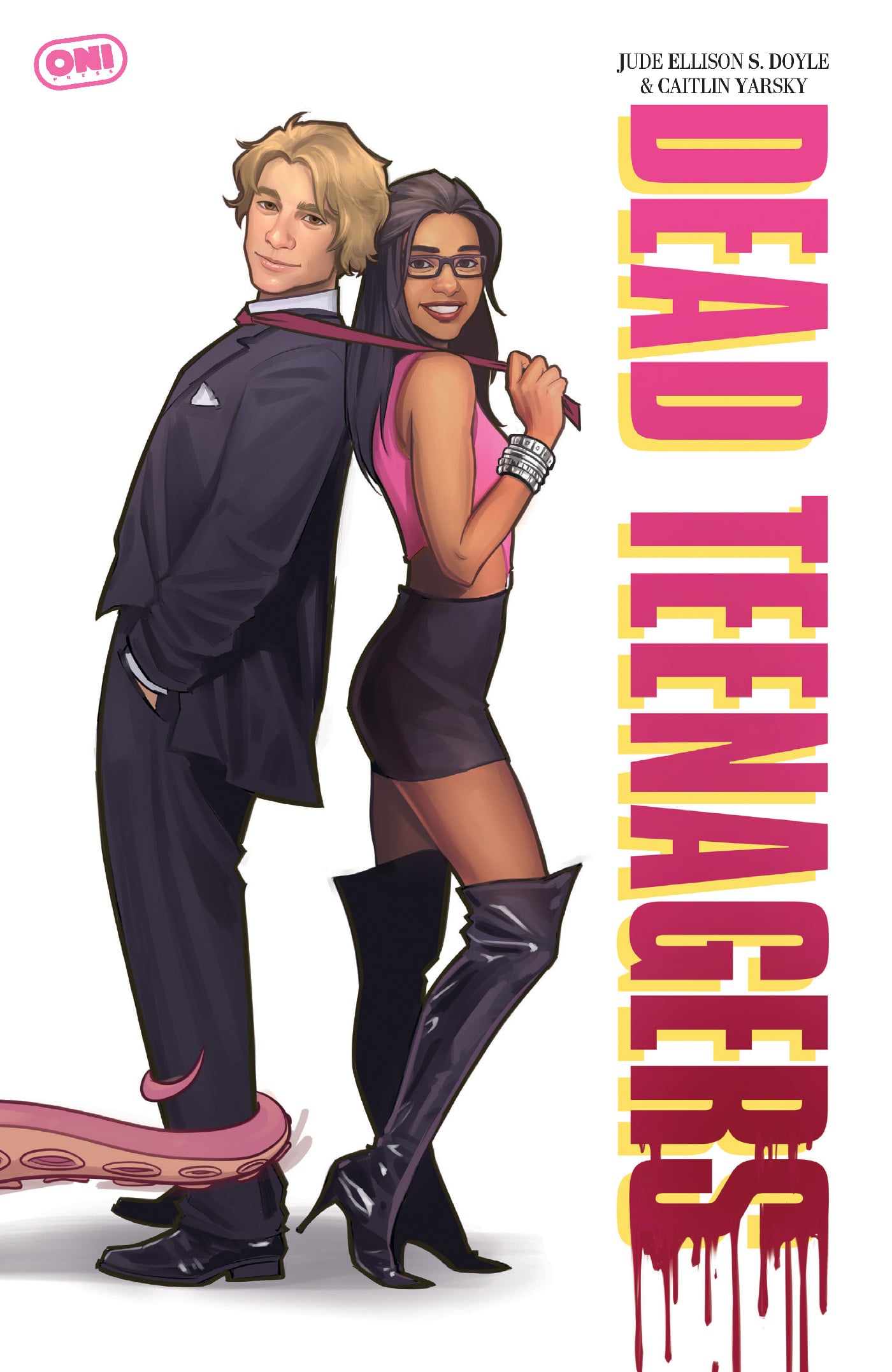
FULL ART VARIANT (1:10) BY NAOMI FRANQ
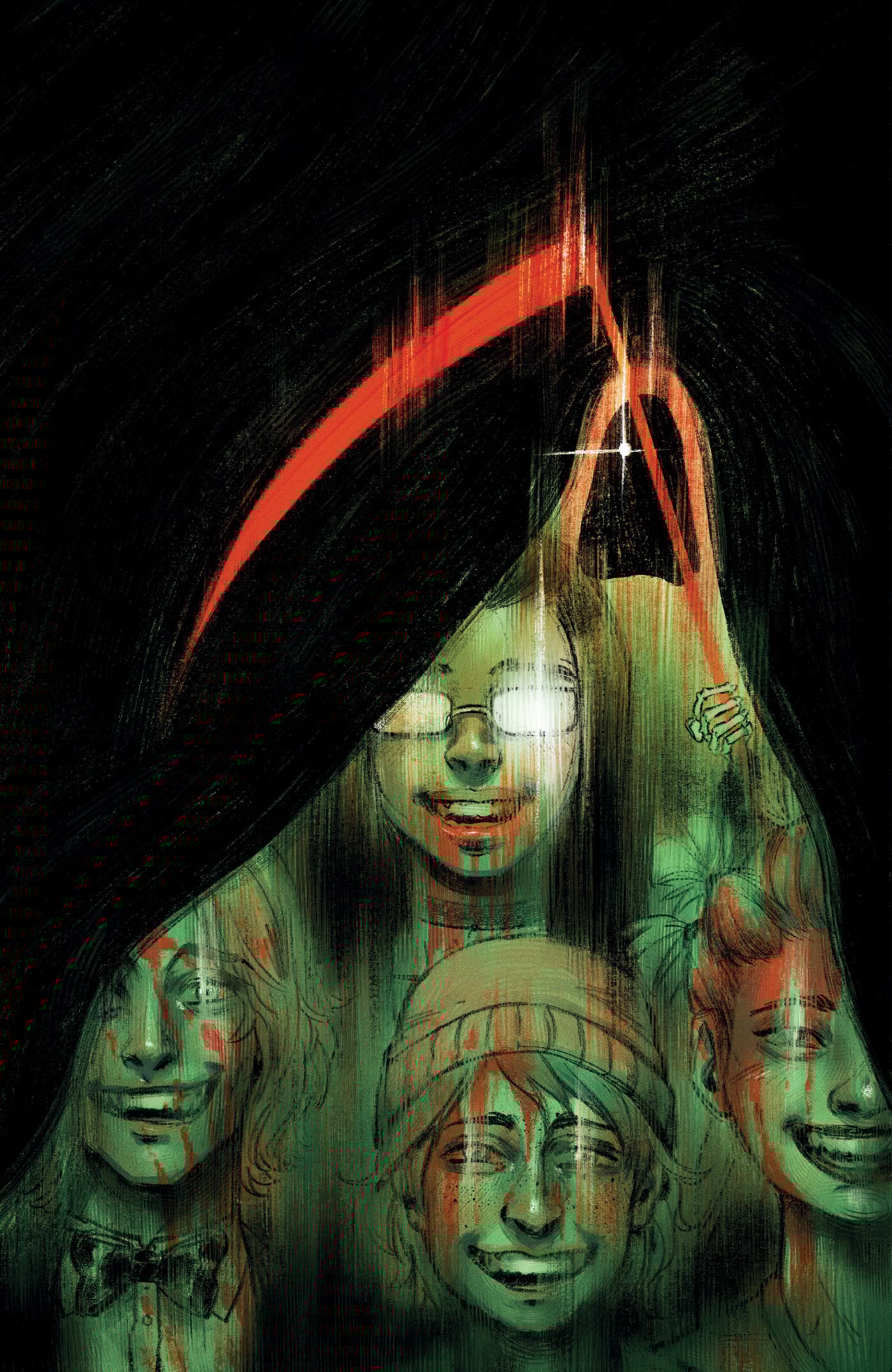
VARIANT COVER (1:20) BY BRANDT&STEIN
INTERIOR ART BY CAITLIN YARSKY
Raised on a steady diet of R.L. Stine’s Goosebumps books and Are You Afraid of the Dark?, Derek has been fascinated with fear since he first saw ForeverWare being used on an episode of Eerie, Indiana.
When he’s not writing about horror as the Senior News Reporter for Daily Dead, Derek can be found daydreaming about the Santa Carla Boardwalk from The Lost Boys or reading Stephen King and Brian Keene novels.
Raised on a steady diet of R.L. Stine’s Goosebumps books and Are You Afraid of the Dark?, Derek has been fascinated with fear since he first saw ForeverWare being used on an episode of Eerie, Indiana.
When he’s not writing about horror as the Senior News Reporter for Daily Dead, Derek can be found daydreaming about the Santa Carla Boardwalk from The Lost Boys or reading Stephen King and Brian Keene novels.


![[Editorial] AI of the Living Dead: Why Have So Many Already Accepted the Simulation?](https://dailydead.com/wp-content/uploads/2025/09/M3GAN-180x83.jpg)
![[Comic-Con 2025] Interview: Michael Giacchino Talks Marvel’s WEREWOLF BY NIGHT: BLOOD MOON and Why He Loves Classic Monsters](https://dailydead.com/wp-content/uploads/2025/07/Werewolf-1000-b-180x83.jpg)
![[Editorial] ANNIHILATION (2018): The Algorithm of Natural Selection Just Unfollowed You](https://dailydead.com/wp-content/uploads/2025/07/Annihilation-1000-180x83.jpg)