



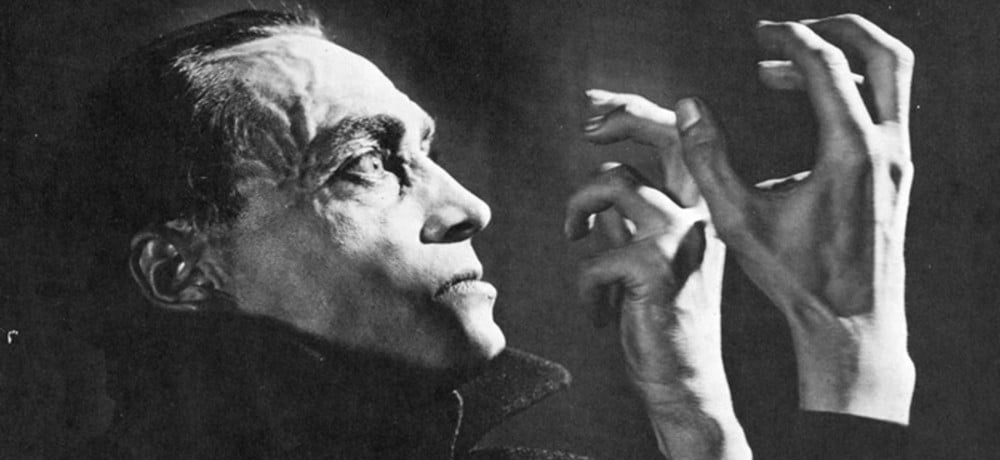
This year, a friend of mine inspired me to explore areas of film I felt that I didn’t have enough familiarity with. One of those for both of us was silent film. This started a deep dive for me. Now, here we are 9 months later, and I have favorite directors, actors, and so many new Blu-rays. I also became aware of Silent Movie Day which is celebrated every year on September 29th.
To celebrate this year’s Silent Movie Day, I thought I’d put together a list of 10 films that I don’t see discussed enough outside of the silent film circles. Obviously, films like Nosferatu, The Cabinet of Dr. Caligari, and The Phantom of the Opera are incredible and important. However, I want to give you all a list of films that aren’t as obvious but still have great things to offer someone new to silent films.
(Writer’s Note: Silent films are of their time, and some do have inappropriate depictions common for the era. I did try to reduce the number of those, but any inclusion of a film with a dated depiction is not me condoning the depiction.)
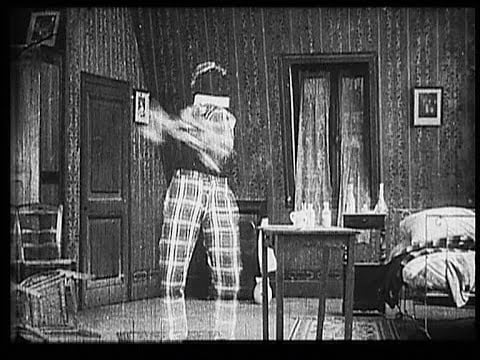
The Invisible Thief (1906)
The Invisible Thief is a fun and meta bit of silent horror. In it, a man buys a copy of H.G. Wells’ The Invisible Man and decides to test the invisibility formula himself. It was co-directed by Segundo de Chomón (who is one of my favorite silent film directors) and Ferdinand Zecca. The trick work of de Chomón is always outstanding. This short is also of note because it’s one of the earlier, if not earliest, uses of Wells’ work in film.
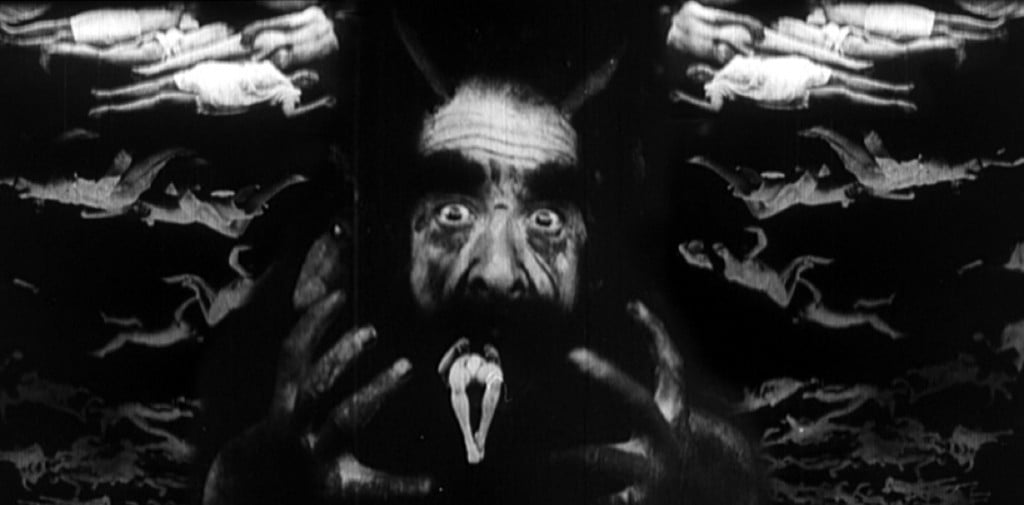
Dante’s Inferno (1911)
Dante’s Inferno is widely considered to be the first feature length horror film and was the first feature length film to be released in Italy. Based on a section of Dante Alighieri’s The Divine Comedy. This wasn’t the only version of the story released in 1911. There was also a 15-minute short, also out of Italy, that came out around the same time. However, due to its length, it doesn’t pack the same punch that this version does. At 115 years old, Dante’s Inferno is still impressive. The effects work is really fascinating and while by today’s horror standards it’s a bit tame, it’s definitely an important film to see whether you’re a horror fan or a silent film fan. Terror Vision has a great release on Blu-ray for those wanting to add it to their collection.
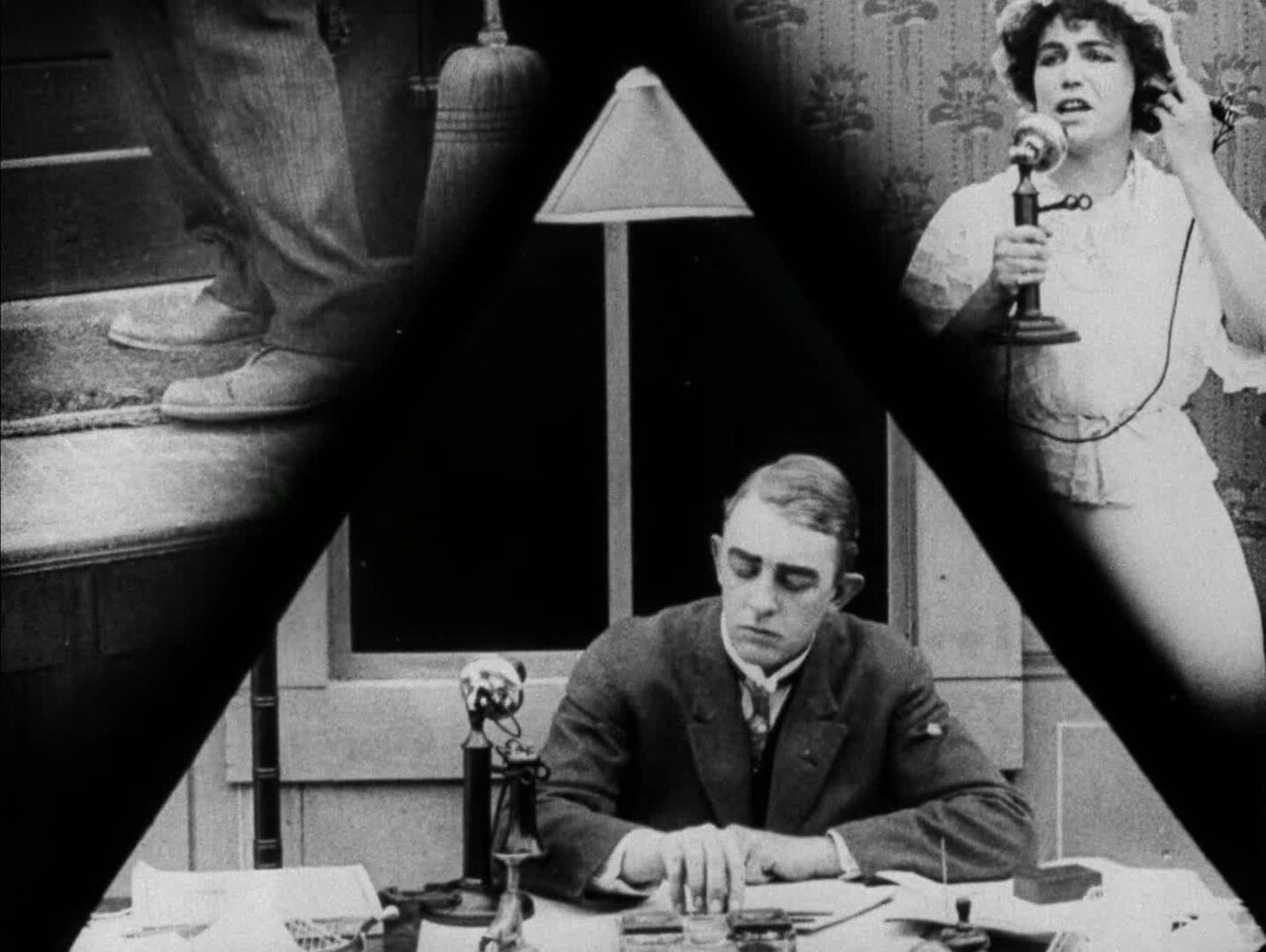
Suspense. (1913)
Suspense. is another short that is not very scary by today’s standards but is important in that it is an early silent horror short co-directed by a woman, Lois Weber. In it, a mother has to protect her infant, as well as herself, from an unhoused person who has broken into their home looking for food and items to presumably sell. As I mentioned in my Letterboxd review the first time I saw it, “This features hallmarks of modern horror: home invasion, classism, tension, etc.” It is one of those shorts that makes you realize that the more things change, the more they stay the same in terms of how we use horror to address fears of the time. This also features some really neat split shots.
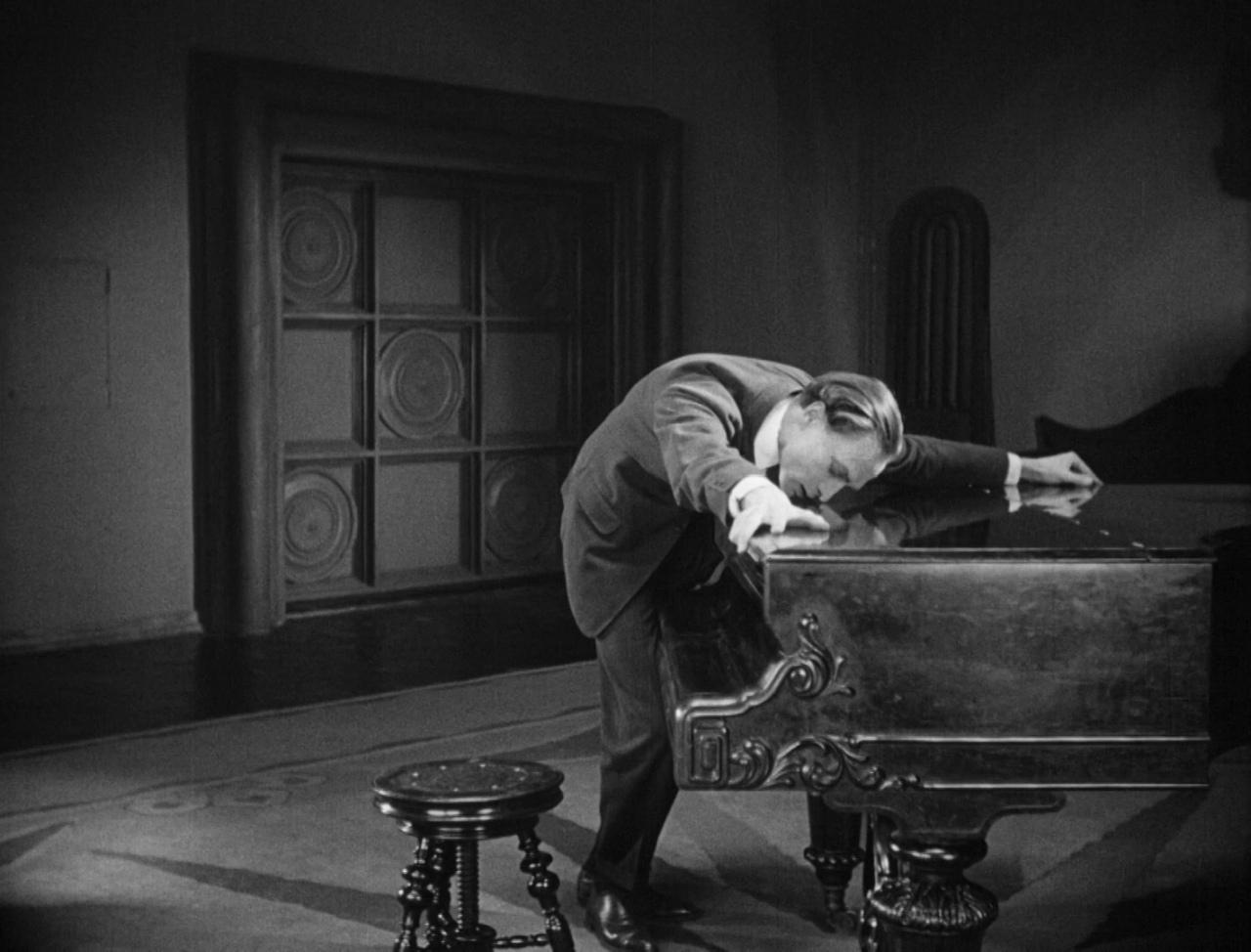
The Hands of Orlac (1924)
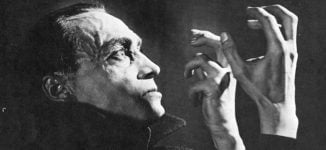
4 years after making The Cabinet of Dr. Caligari, Robert Wiene and Conradt Veidt came together again to make another fantastic film. You probably recognize the story of The Hands of Orlac from one of its many remakes including Mad Love with Peter Lorre. Conrad Veidt’s character loses his hands in an accident and in an experimental surgery, receives a new set. The only thing is that they may belong to a murderer! This film has a lot of twists and turns, but Veidt just commands your attention and Orlac is worth watching for his performance alone. I’ve watched him in a number of films and never get sick of seeing him on screen.
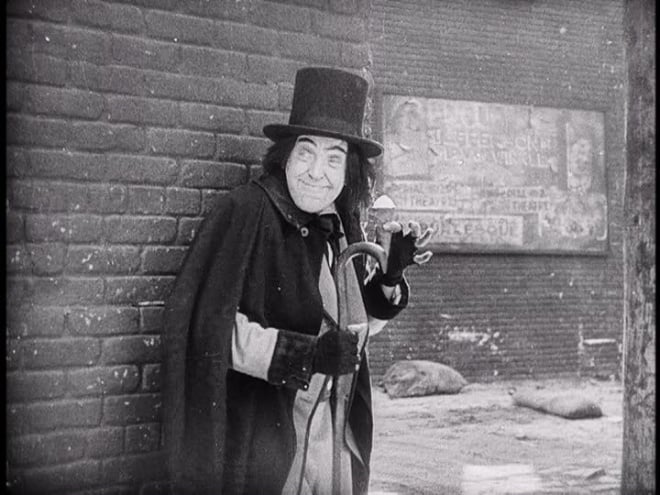
Dr. Pyckle and Mr. Pride (1925)
In this silent film journey, I’ve watched several adaptations of Dr. Jekyll and Mr. Hyde. However, this short version may be one of my favorites. It even stars Stan Laurel before Laurel and Hardy were a thing! What’s fun about this version is that in its comedic leanings, the crimes Mr. Pride commits are very low level and silly. For example, he takes ice cream from a child. There is also an adorable pup who turns into its own version of Pride.
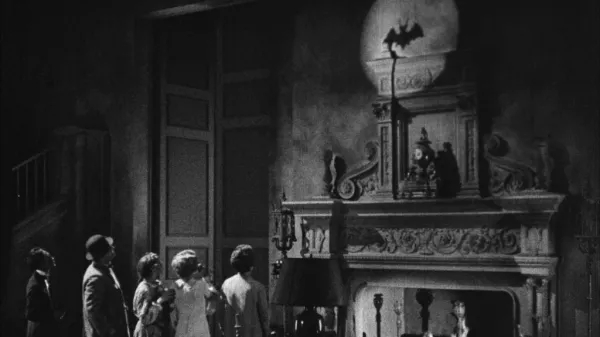
The Bat (1926)
If you’re a comic book fan, especially Batman, this movie is for you. So much so that Bob Kane was on record saying that this influenced his creation of Batman. Fun fact: The Man Who Laughed inspired the look of the Joker and a title of one of the story arcs. This is a great early example of an “old dark house” horror mystery. It feels like it could have been a Scooby-Doo episode. The director Roland West also remade it as a “talkie” with the title The Bat Whispers and it was later remade again in the ‘50s starring Vincent Price. (Note: this does have a brief moment of racial stereotyping, but due to its briefness, it does not really impact the viewing experience.)
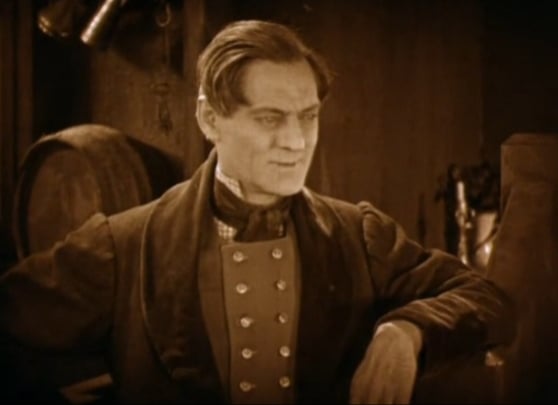
The Bells (1926)
I had to throw in a holiday horror film for this list, so I went with The Bells. The story involves a down on his luck innkeeper who kills and robs a rich merchant. He’s then haunted by the ghost of the merchant and his own guilt. I came across this movie when looking for silent horror turning 100 this year. Believe it or not, there are only about 7 that are readily available! The Bells feels like a cross between A Christmas Carol and The Tell Tale Heart. It also has an early appearance by Boris Karloff as the Mesmerist (who happens to look like Dr. Caligari).
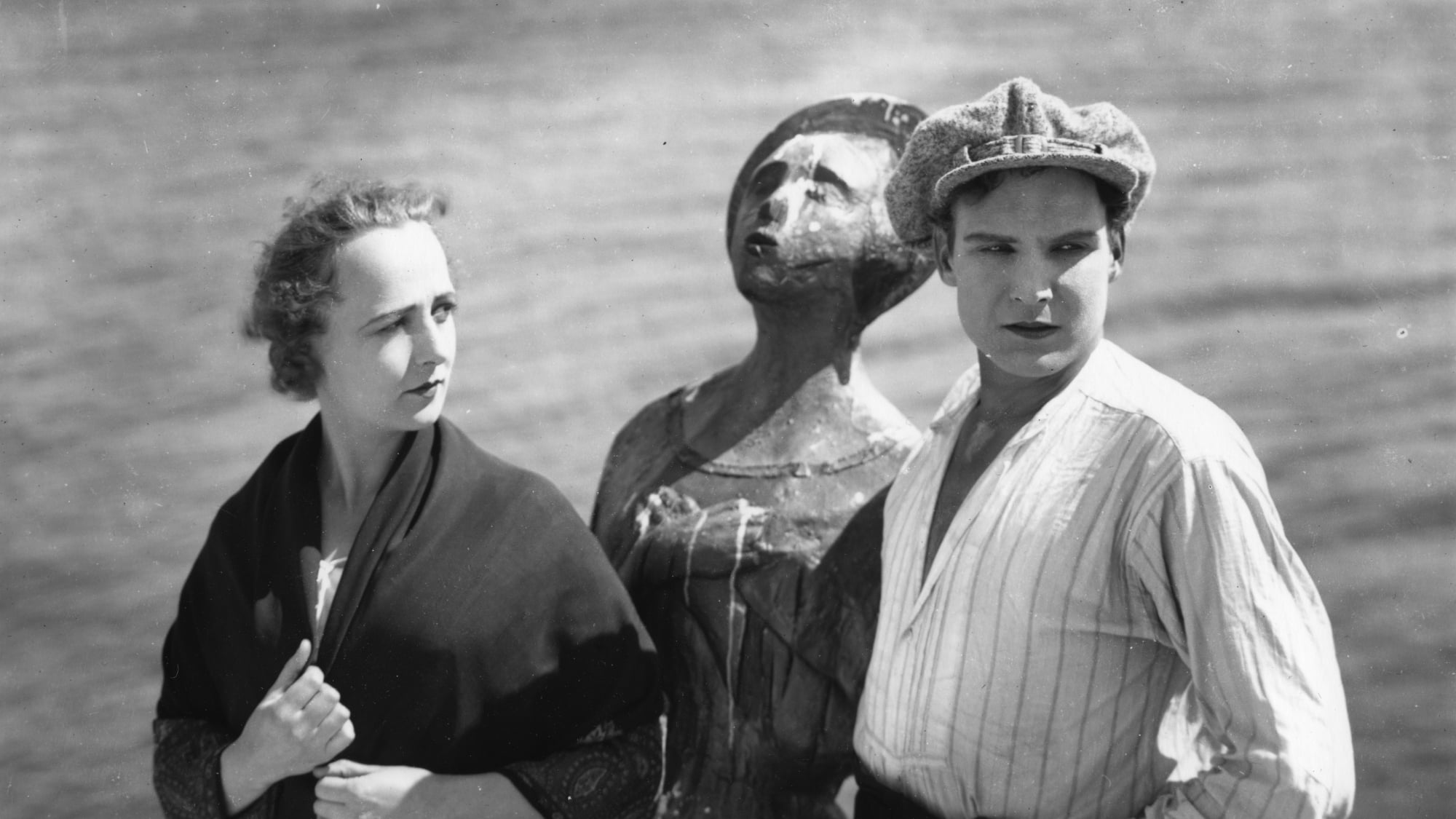
Meren Kasvojen Edessä (1926)
This was recommended to me by someone when I was on the hunt for silent folk horror. In it, a man stays with a rural fisherman and his daughter. He falls in love with her but learns that everything isn’t as it seems. It’s more horror adjacent but does have some markers for that make it count for me such as an outsider meddling where they don’t belong, strange dreams, and folkish iconography by way of a boat figurehead. There isn’t a readily available physical or VOD release but can be viewed here.
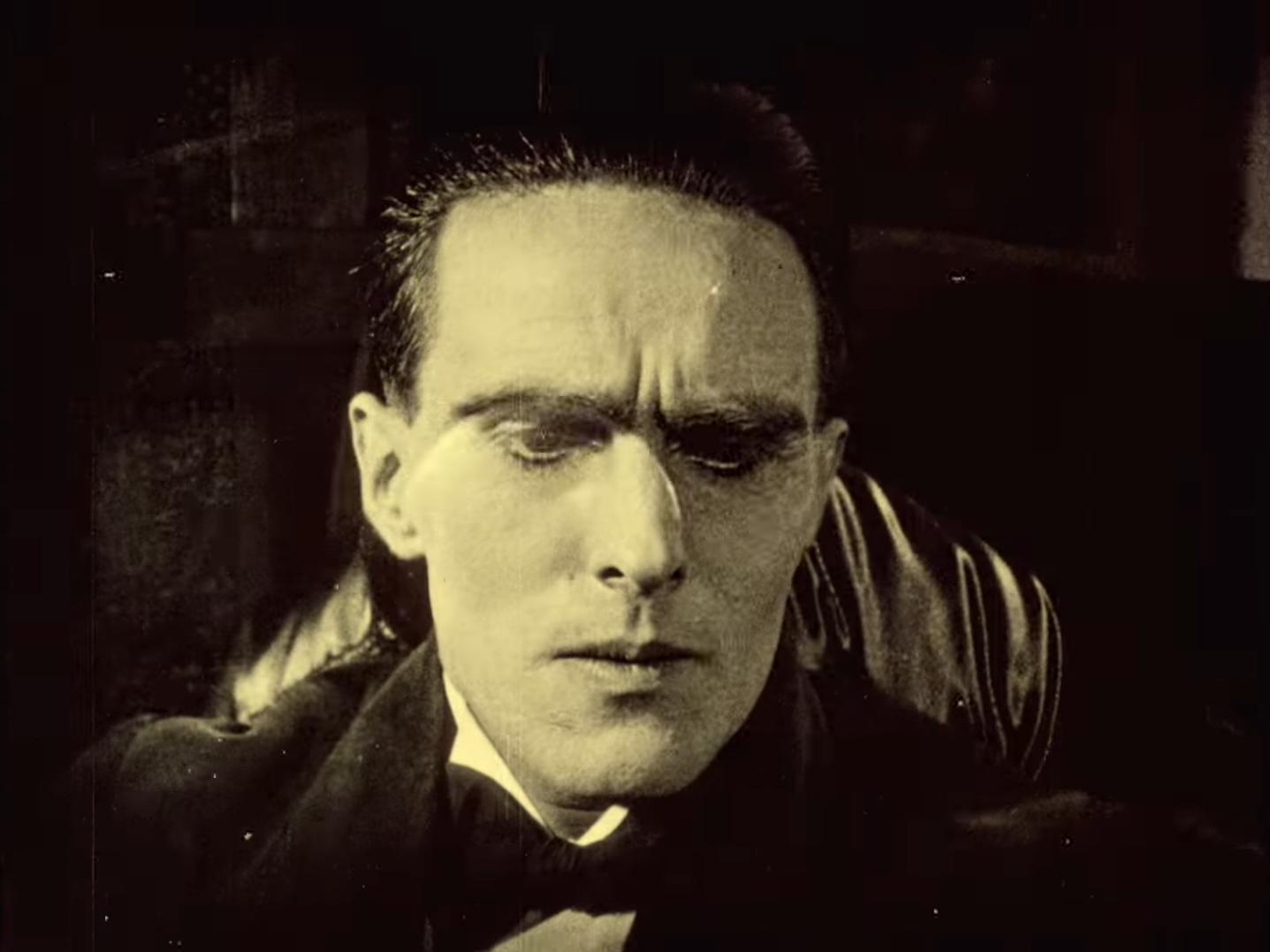
Prelude (1927)
There isn’t a ton of narrative to this short due to its avant-garde nature, but the story is basically a man listening to Rachmaninoff and dreaming he has been prematurely buried. This came to my attention via Bleeding Skull’s Occult Avant-Garde Starter Pack on Letterboxd. As usual, they were spot on with their recommendation.
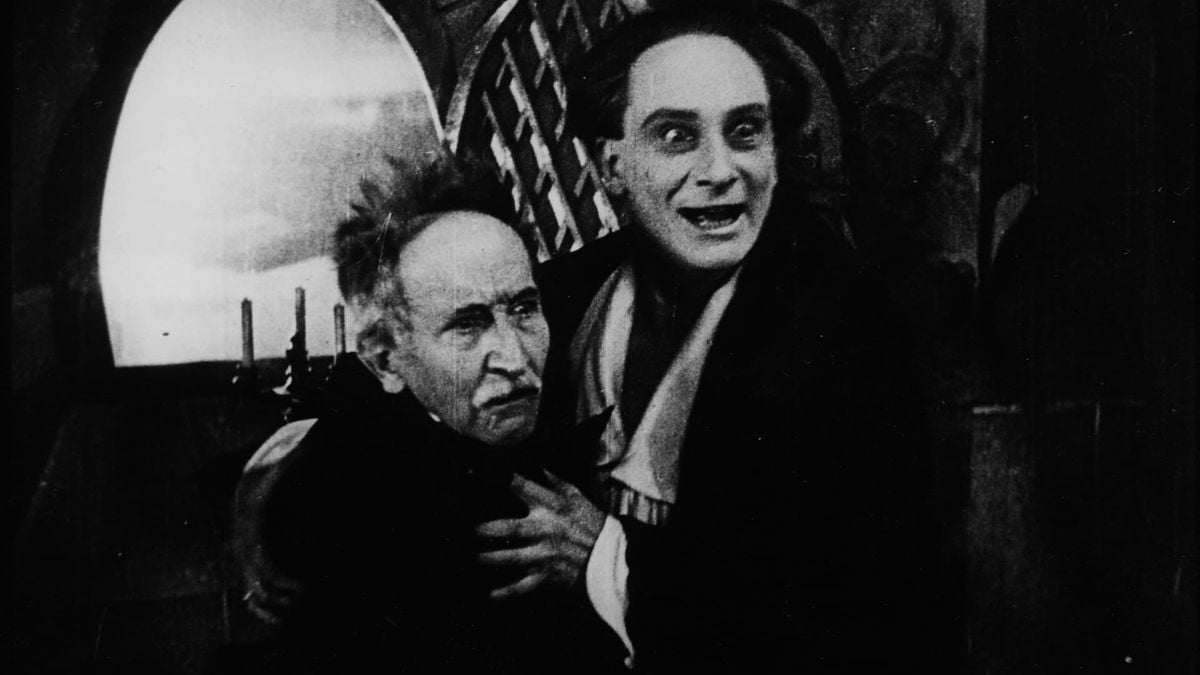
The Fall of the House of Usher (1928)
Similarly, to Dante’s Inferno in 1911, two adaptations of Edgar Allan Poe’s The Fall of the House of Usher were released in 1928. Both are solid in their own ways, but I love Jean Epstein’s version more. Early in its inception, Luis Buñuel was attached as writer but left the production. It’s never really been clear how much of his work made it into the final film. This adaptation is somber and melancholic, but also a little cozy. There is a haunting nature to this one and I’d say it’s perfect for a rainy evening with a cup of tea.
---
I hope this list inspires you to take your own journey through the world of silent horror films! If you’re interested in more suggestions, I do keep an ongoing list of the ones I enjoy, mainstream or otherwise. You can find it here. I add to it as I go, so keep checking and if you have one you think I should see, let me know! I hope you all have a wonderful Silent Movie Day!
Sarah Stubbs is an online content creator with a passion for all things pop culture, especially food and horror. The latter were both early passions of Sarah’s. Her mother taught her how to cook at a young age fostering that passion. Additionally, her mother was instrumental in her love of horror movies showing her movies like House on Haunted Hill and all of the Universal Monster movies before the age of 10. All of these passions played into her creating Sarah Stubbs Says as well as her other projects including the #100HorrorMoviesIn92Days Challenge. Sarah co-founded the site Geeks Who Eat with her husband Matthew in 2015 and is the co-host of Final Girls Feast.
Sarah Stubbs is an online content creator with a passion for all things pop culture, especially food and horror. The latter were both early passions of Sarah’s. Her mother taught her how to cook at a young age fostering that passion. Additionally, her mother was instrumental in her love of horror movies showing her movies like House on Haunted Hill and all of the Universal Monster movies before the age of 10. All of these passions played into her creating Sarah Stubbs Says as well as her other projects including the #100HorrorMoviesIn92Days Challenge. Sarah co-founded the site Geeks Who Eat with her husband Matthew in 2015 and is the co-host of Final Girls Feast.




![[Guest Article] Maggots On Your Body Of Work: Clay McLeod Chapman On Finding His Own Muses](https://dailydead.com/wp-content/uploads/2026/03/Bodies-of-work-1000-180x83.jpg)
![[Editorial] AI of the Living Dead: Why Have So Many Already Accepted the Simulation?](https://dailydead.com/wp-content/uploads/2025/09/M3GAN-180x83.jpg)