




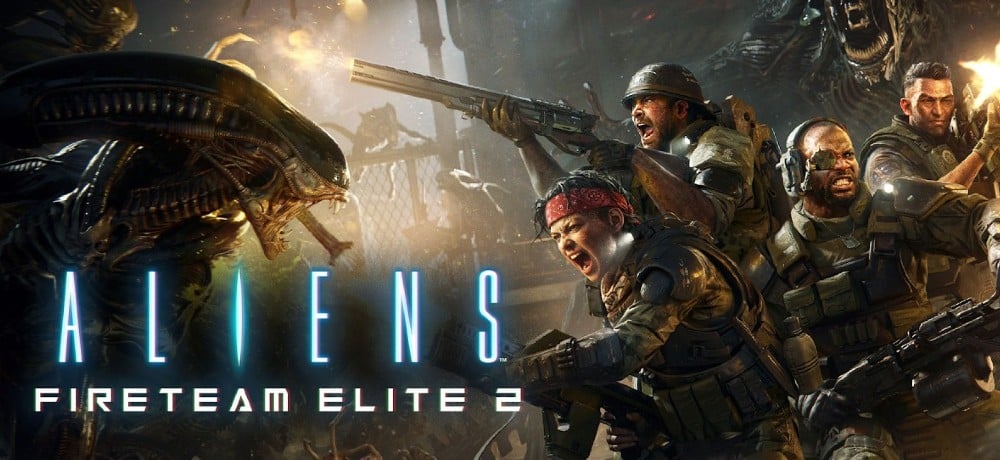
I am insanely excited for Aliens: Fireteam Elite 2. After playing countless hours of the original game with Bryan, we are ready to arm ourselves to the teeth and take on all-new Xenomorph threats. From all the footage I've seen so far, it looks like Cold Iron Studios has created another great Aliens game filled with new features, new creatures, bigger maps, and even more of what we loved about the first game. With Aliens: Fireteam Elite 2 coming out on August 25th, I caught up with the developers from Cold Iron Studios to talk about their love of Aliens, their creative process, and what we can expect from the sequel:
With it being the 40th anniversary of Aliens, can you discuss the impact that specific film had on you when you first saw it? As developers, how has the world and characters of James Cameron's Aliens influenced how you approached development of the first Fireteam Elite and its sequel?
Nic Stohlman - Art Director: The first Alien film I saw was actually Aliens—I was way too young for it, so it was terrifying but also really alluring. I was scared of the Xenomorph, but more than anything I remember being captivated by the tension and anxiety the characters were feeling right up until the end.
Looking back at Cameron’s film during the development of Aliens Fireteam Elite 2; I was impressed with how much they could do with what they had. A few hallways, miniatures, good lighting and some steam made me feel like Hadley’s Hope was a large colony and a very unsafe place to be; it was really inspiring. Imagining what was around the corner, or just out of frame was a ton of fun but doing all that design work and then having the confidence to obscure the image with shadow and texture was something we lifted directly from Aliens.
I think it worked out well and it was a blast trying to expand the look of Aliens that feeling of tension across our game.
Ed Schofield - Animation Director: When I first saw Aliens I was really impressed with how different it was from the first Alien movie. I expected Aliens to continue with slow-paced isolation - that terror of not knowing what’s stalking you in the dark. But Cameron flipped the whole thing on its head by introducing a squad of over-confident Marines who were going in loud. That shift from quiet horror to full-throttle action really stuck with me.
Cameron’s approach to Aliens had a big influence on FTE2. A lot of the animation work went into making the marines feel like a highly trained, disciplined unit. The Xenomorphs on the other hand, move nothing like a human - they’re fast, erratic and insect-like. This contrast is a direct influence from the Aliens film and adds to that feeling of intense combat instead of just pure chaos.
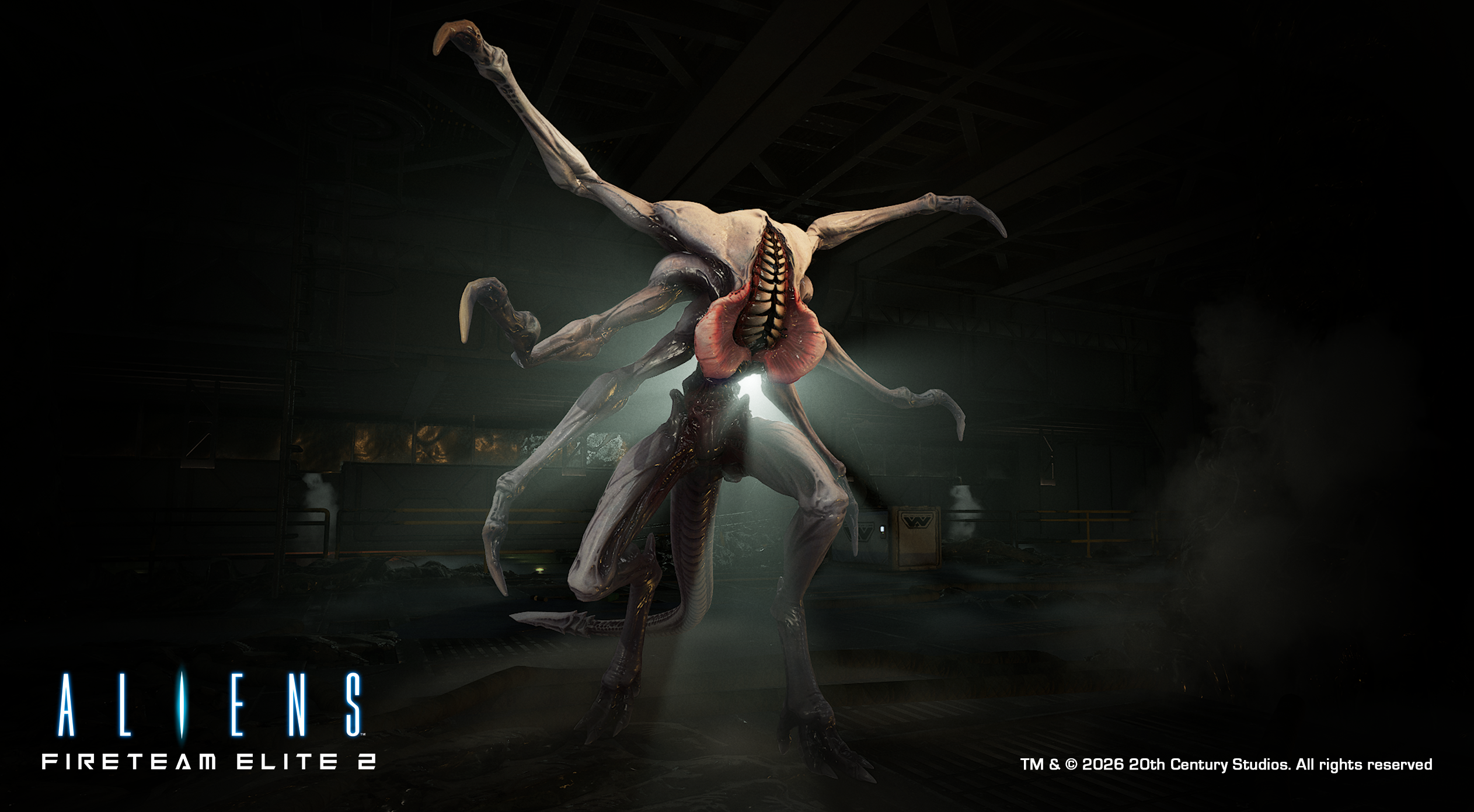
The first game did an amazing job of bridging the world of the original films with the mythology of Prometheus and Alien: Covenant. Can you talk about your team's approach to combining mythology from the movies, games, toys, and comics into a cohesive world and narrative?
Nic Stohlman: I think the key is to find something you love from each part of the franchise and to keep in mind the connective tissue and themes that make it an “Alien” story. I use that feeling as a jumping off point to design new things or incorporate ideas from the mythos. There are all kinds of wild ideas and scenarios in the canon and it’s all Alien in one way or another. I find balancing the visual design with the needs of game mechanics and a new narrative becomes exciting if you can look at it all as a source of inspiration.
Joshua England - Environment Art Lead: For me, it’s all about the mystery and the unknown. The first few films really get the viewer interested in the questions surrounding the Xenomorph and what Weyland Yutani wants with them. In the later films, many of the questions swirled around the philosophical nature of life, creation, and purpose while expanding the lore.
Latching onto these types of mysteries really becomes a driving force for the player in Aliens: Fireteam Elite 2. Each answer begets another question. Continually wanting to know more about the mysteries in the Aliens universe is a thread that ties the movies, games, and comics together.
I have fond memories of the Kenner Aliens figures and love how varied and colorful the Xenomorphs in Fireteam Elite are. Did you collect the Kenner figures? Any favorites?
Nic Stohlman: I did! I’m pretty sure I had a “Drone” or “Big Chap” type and a few others… The one that sticks out in my memory is the “Mantis Alien” I definitely had that one.
Joshua England: I didn’t have many of the Alien Kenner figures due to the amount of Star Wars figures my parents graciously gifted me. The two I can remember for sure are the Wild Boar Alien and the Mantis Alien. I also really wanted the Snake Alien!
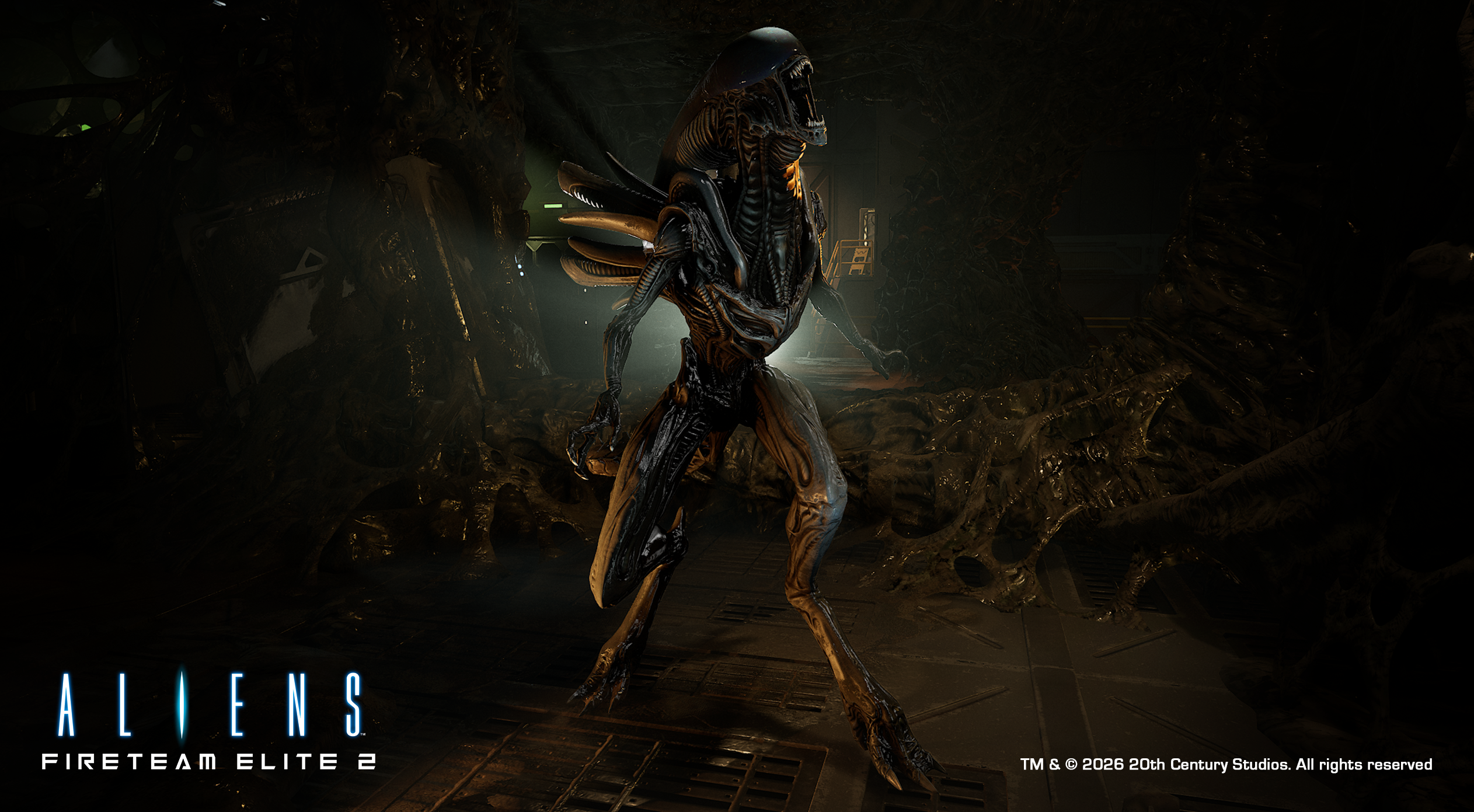
Can you discuss your favorite new types of Xenomorph that players will be facing this time around?
Chris Cross - Studio Design Director: My personal favorite is the Siren. Her ability to call in additional units creates some very challenging gameplay situations where players have to balance survival vs. finding the Siren to stop the additional spawns. She can really ruin your day.
Max Pfeifer - Systems Designer: The Exploder would be my favourite of the new Xeno’s. It was a simple add-in that takes an existing enemy (the Burster) and fully morphs it into its own. It adds so much volatility to the combat that you really notice encounters with or without them! That, plus they look absolutely freaky with their bodies almost bursting at the seams from the get-go.
Ed Schofield: The Warden is my personal fave. It’s a beast of a Xeno that has both long range and melee attacks. It’s aggressive and devious - making it an extremely difficult enemy to defeat.
Androids are also a threat in the first game. Can you discuss their importance within the world of the game and tease what you have planned for Android enemies in the sequel?
Max Pfeifer: Androids have always been an important part of the Aliens universe. With Aliens: Fireteam Elite 2 we really wanted to explore some ideas of different types that have been made by Wey-Yu that are purpose driven in their roles as machines rather than just purely a humanoid replacement.
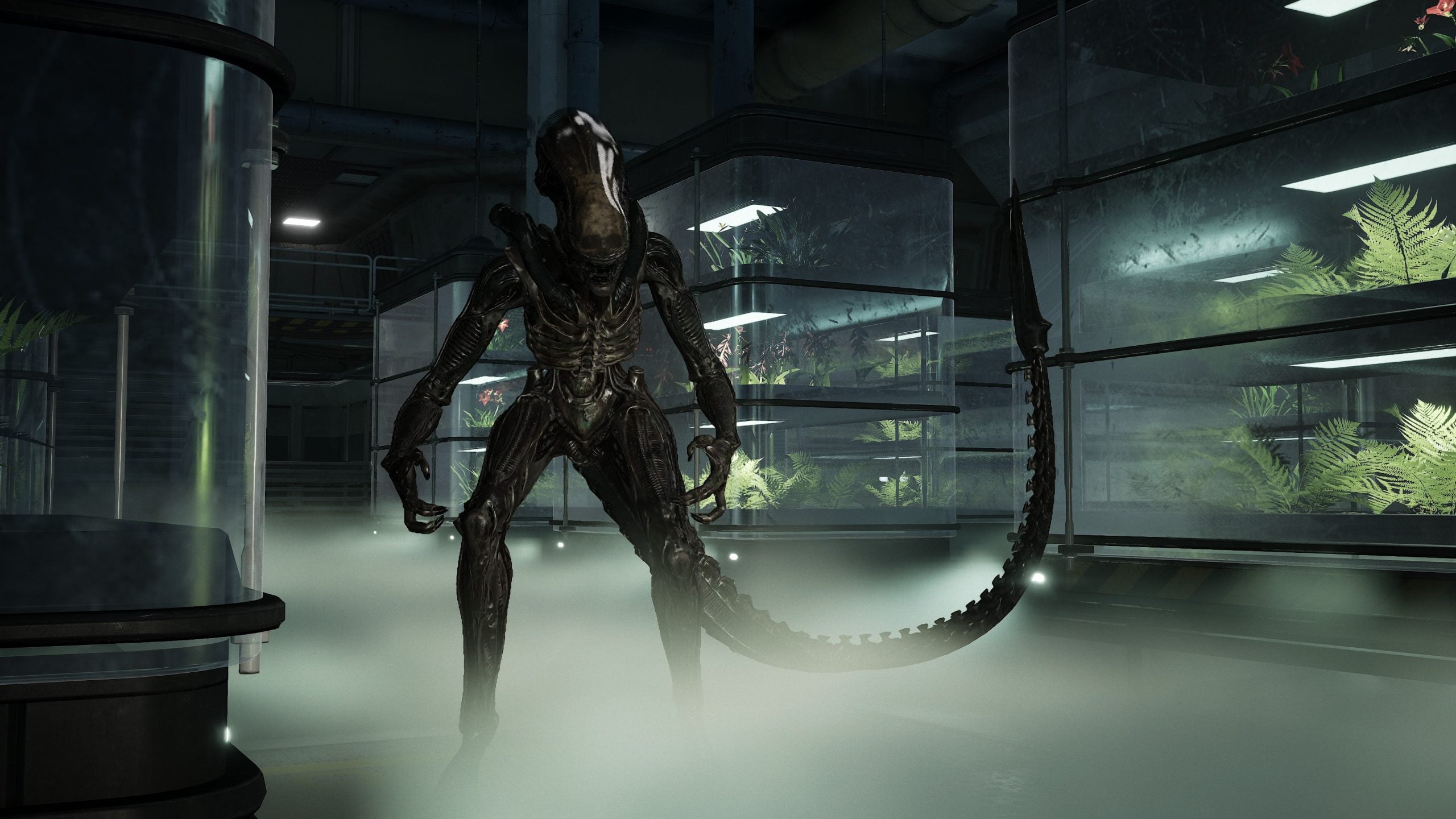
All of the Xenomorphs have unique abilities and movements. Can you briefly share some of the behind-the-scenes work that goes into designing and balancing them all, so that they're a unique challenge for players?
Brock Robin - Systems Design Lead: We added a new damage type system where enemies can be weak and resistant to different elements. For example, fire / thermal weapons deal bonus damage to Xenomorphs which is something that feels true to the IP. However, we didn’t want you to simply bring a flamethrower in and easily just beat the mission. We added unique properties to a few of our enemies that will force you to think a bit deeper about when and where to engage them.
Two examples, of this include:
1) Exploders are enemies that try and explode when they get next to you, but if they’re on fire at the time of death the size of their explosion is increased. While you might kill that exploder faster, if you time it wrong, you can end up wiping your fire team.
2) If you light a Drone on fire, it will prioritize trying to escape which can buy you breathing room but could also result in it re-entering the fight at an inopportune time.
These mechanics will hopefully result in more interesting choices and reward better coordination with your fireteam.
Ron Allen - Systems Director: So there's a ton of different variables that go into balancing our Xenomorphs and other enemies, with some even needing to be tweaked differently depending on the difficulty. We bucket our enemies into types first — fodder, specials, elites — and each one gets tuned in its own way, progressively more difficult as the player encounters them. And it's not just the obvious stuff like health, damage and movement speeds either. We're also adjusting things like who they target and when, how often they can do specific attacks like melee or grapple, whether they can crawl on walls and ceilings, which lane they come from when they spawn, how long their acid pool lingers after they die, what their weaknesses and resistances are, and even how easily they flinch or get stunned when they get hit. Tuning can be an overwhelming process, but fun once you get to play around with the results in the game.
Max Pfeifer: We really wanted to expand the number of things that enemies could interact with in the game world and while we tried a few things that didn’t work, we were able to add a couple new ideas. My favorite being the Look-At sense on some of our more complex enemies. With this we were able to add ways for enemies to react to player actions just by perceiving if they were being looked at or aimed at. You will have to play to get the full grasp of where we are using it but some of our enemies may be a little more slippery then they were before!
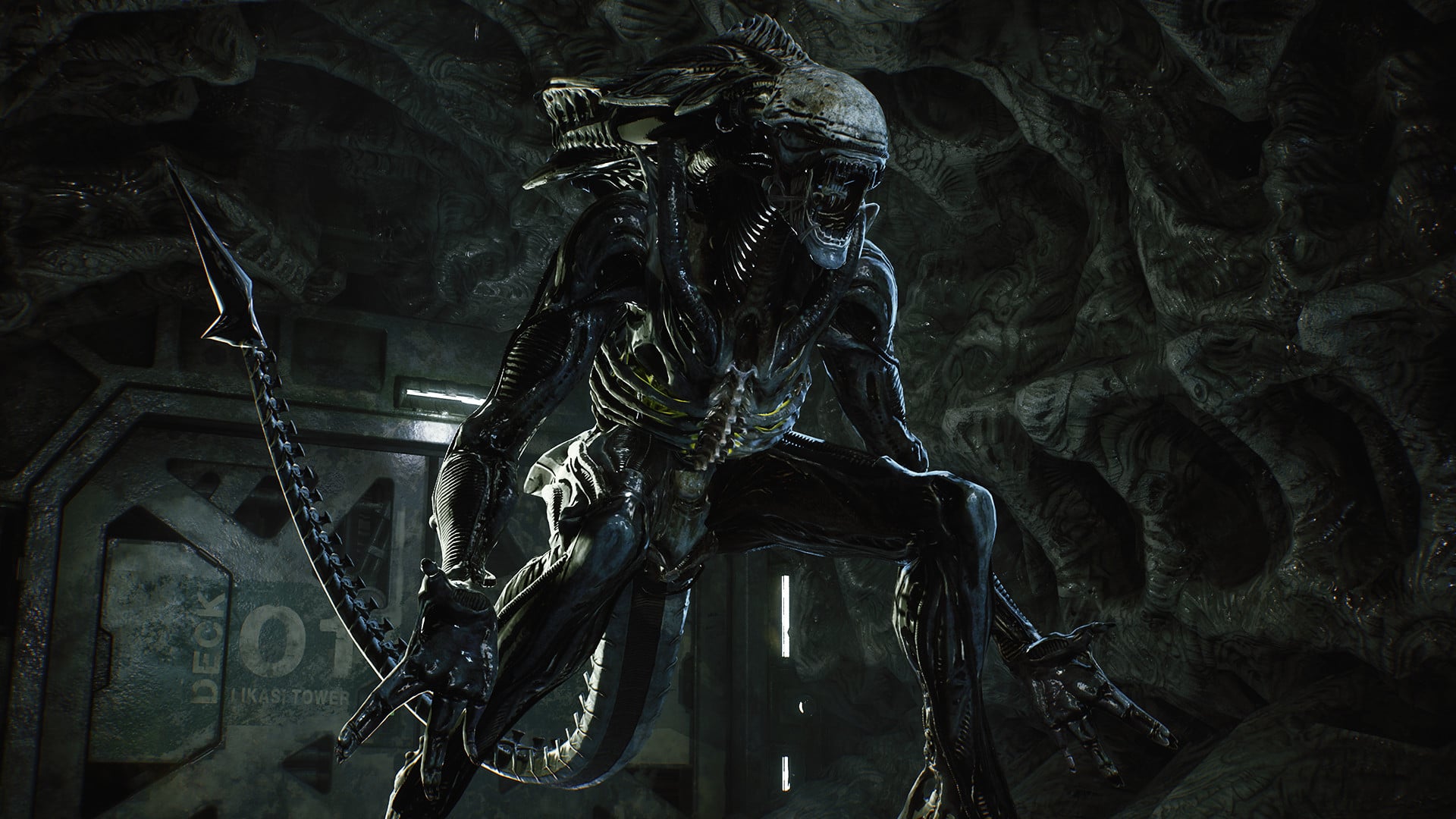
What major lessons did the team learn from the first game that directly influenced this sequel's development? Are there any adjustments to replayability and character customization for the sequel that you're especially proud of?
Chris Cross: There were a lot of complaints in the community about the Companion Synths. The main complaint was that they weren’t very effective in combat and generally weren’t smart about staying out of your way. We reworked them, added custom AI and tuned them to be just good enough to be helpful without allowing players to play on “autopilot”. A lot of time was spent adjusting their AI to consider the Player in almost any situation. This is a super difficult task because players have many different playstyles. I think returning players will be pleased with how they work now.
Brock Robin: In short, we wanted to double down on the things that people loved while trying to improve some of the shortcomings of the first game. Players LOVED the perk system and the crazy build variety, so we kept the core that made it great while offering even more possibilities.
In AFE all the perk upgrades were generic to support being attached to any ability replacer, for example they might increase damage by 10%. Those still exist but we not only have MORE replacers, but each replacer can have its own unique upgrades. When you replace the Marauder’s Titan Rockets with Rocket Mines, you can then make those mines Cryo, spawn in clusters, etc.
We played the first one too and while we enjoyed its campaigns and escalating difficulties, the fact that they always played out exactly the same every time loses its charm after a while. One of the major ways that we’ve improved this is by adding spawn and volume variation to the game on higher difficulties. This will really keep you on your toes and means that you’re going to have to react in the moment to the threats provided.
Another area we saw room for improvement was Challenge Cards. When AFE shipped they were one-time-use consumables that would be randomly selected from those picked by your fireteam. Now they are no longer consumed and EVERY card picked will be played. As you can imagine, this will help variety because you can now perform combinations you never could before.
Another important lesson from AFE is that many cards have less pronounced effects than they did before UNLESS the group decides to play multiple of them. This both allows for more subtle changes (let’s make this a bit harder) but prevents totally over or under powered builds unless that is what the group wants. As an example, there was a card in AFE called Overstimulated that reduced ability cooldowns. Certain builds/classes would join a match, pick the card but then leave the game if it wasn’t picked. Now if you’re one of those people that liked to play that card, you can still get some benefit towards what you want, but you’ll only get that same effect if everyone is on the same page.
Ron Allen: We put a lot of work into getting the bots to stay out of your line of fire during combat. They'll still get in your way sometimes, but if they take a hit or cut across your aim, they'll try to roll or juke out of the way to get where they're going. We also added crouching for the player, so the bots will crouch too now to try and keep a low profile. The tricky part is the game is a lot more hectic than it used to be — enemies are faster, things get chaotic real quick. The bots also scale up in power across the different difficulties though, which helps a ton. That said, on the highest difficulties we'd still recommend rolling with fully maxed out builds — the bots won't be quite on that level, but they'll definitely pull their weight a little more now. And hey, we know some of you like the extra challenge of going it alone, so you can actually turn the bots off in the staging area — just hit the button right underneath them and they're out for that run.
A dedicated community has built up around this game. How important was player feedback and Alien fandom when it came to shaping the direction of the sequel?
Nic Stohlman: I love that we get to return to the Alien universe and continue to add to the Mythos in Fireteam 2. It’s a balancing act between honoring the stories that came before us and making sure the new elements we add feel at home with the world of Alien.
We’re all big fans of the mythos on the art teams, so for us it really is about trying to capture the essence of Aliens in everything we do and make something that Alien fans can enjoy.
Chris Cross: I love that there’s a dedicated community. It takes a lot of the guesswork out of improving our design so that we can address specific needs and/or feature requests. Addressing their feedback created a strong foundation for us to not only add all of our new features as well as provide a way to keep the new features targeted at our community. I hope that this game continues to grow that fanbase.
After more than a decade as a consultant in the entertainment industry, Jonathan James launched Daily Dead in 2010 to share his passion for horror. He takes immense pride in Daily Dead's talented team of writers, who passionately explore and celebrate horror as a respected art form capable of telling complex, character-driven stories with deep emotional and cultural impact.
Over the course of his career, Jonathan has written more than 10,000 articles and hosted panels at major conventions, including New York Comic Con and San Diego Comic-Con. He is also consulted with as an expert on horror and pop culture, offering insights on horror history and the latest trends through media outlets, film festivals, and conventions.
After more than a decade as a consultant in the entertainment industry, Jonathan James launched Daily Dead in 2010 to share his passion for horror. He takes immense pride in Daily Dead's talented team of writers, who passionately explore and celebrate horror as a respected art form capable of telling complex, character-driven stories with deep emotional and cultural impact.
Over the course of his career, Jonathan has written more than 10,000 articles and hosted panels at major conventions, including New York Comic Con and San Diego Comic-Con. He is also consulted with as an expert on horror and pop culture, offering insights on horror history and the latest trends through media outlets, film festivals, and conventions.













![[Guest Article] Maggots On Your Body Of Work: Clay McLeod Chapman On Finding His Own Muses](https://dailydead.com/wp-content/uploads/2026/03/Bodies-of-work-1000-180x83.jpg)

![[Editorial] AI of the Living Dead: Why Have So Many Already Accepted the Simulation?](https://dailydead.com/wp-content/uploads/2025/09/M3GAN-180x83.jpg)