


How Alfred Hitchcock Turned Secrecy, Suspense, and a Shower Curtain Into the Ultimate Movie Marketing Campaign.
Today, promoting a movie can sometimes feel like a bigger production than making one. Actors are expected to become full-time brand ambassadors or influencers, bouncing from late-night talk shows to podcasts, junkets, TikTok challenges, and increasingly elaborate promotional stunts designed to make them seem relatable, spontaneous, and just entertaining enough to convince someone to buy a ticket. They eat increasingly absurdly spicy chicken wings on Hot Ones, answer questions while hooked up to lie detectors, play party games with strangers on the street, and participate in whatever viral social media exercise the studio's marketing department has decided might break through the algorithm. Sometimes, when I watch these promotional videos, I swear I can see the actors’ souls withering right behind their eyes. (I thought poor Austin Abrams was going to break during the one-two promotional push for Resident Evil and Whalefall.)
Suffice it to say, an auteur like Alfred Hitchcock would have absolutely hated this. Not necessarily the chicken wings, although I suspect he'd have found the whole exercise beneath him, but the idea of surrendering control of a film's narrative to a publicity machine that encourages its stars to talk about everything except what makes the movie worth seeing. Hitchcock understood that the audience's imagination was a far more powerful promotional tool than any celebrity interview, even the ones that were standard in his heyday. He didn't want audiences to know his movies before seeing them. He wanted them to know as little as possible. And nowhere was that philosophy more brilliantly, obsessively, and profitably executed than with his 1960 psychological thriller, Psycho.
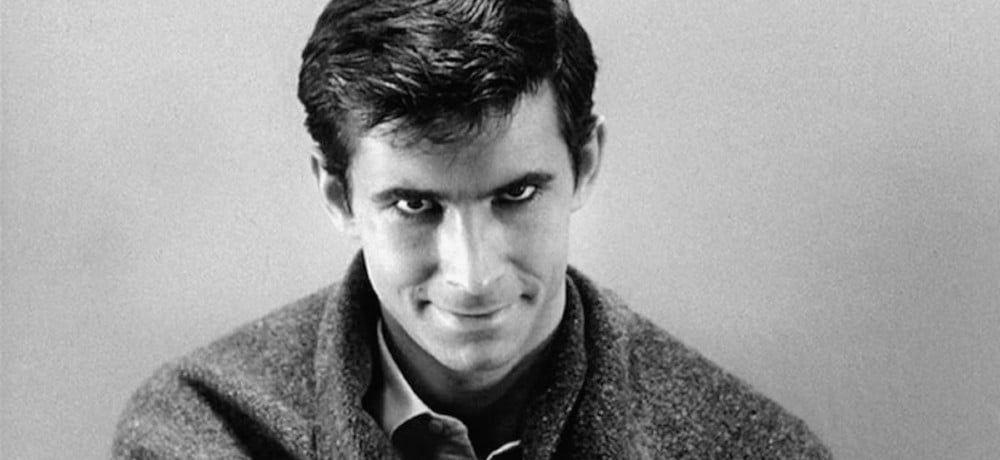
By the time Psycho arrived in theaters, Hitchcock was already one of the most recognizable filmmakers in the world. His television series, Alfred Hitchcock Presents, had made him a household name, and his distinctive silhouette and deadpan delivery were practically brands unto themselves. But for Psycho, Hitchcock wasn't interested in simply leveraging his celebrity or the star power of Janet Leigh and Anthony Perkins. He had something much more ambitious in mind. He wanted to turn the act of seeing a movie into an event, and he was willing to bend just about every established rule of Hollywood promotion to accomplish it.
THE PERFECT CRIME: A MOVIE BUILT ON SECRECY
The secrecy surrounding Psycho began long before the first ticket was sold. Hitchcock had acquired the rights to Robert Bloch's novel anonymously and, according to the oft-repeated story, went so far as to purchase as many copies of the book as he could find to prevent potential moviegoers from discovering its secrets.
The material wasn't exactly what Paramount had in mind for a major Hitchcock production. The studio was uncomfortable with the story's subject matter and therefore was reluctant to put up the money. Hitchcock ultimately financed much of the picture himself, keeping the production budget below $1 million. He shot in black and white, worked quickly, and famously brought in the crew from his television series to keep costs down.
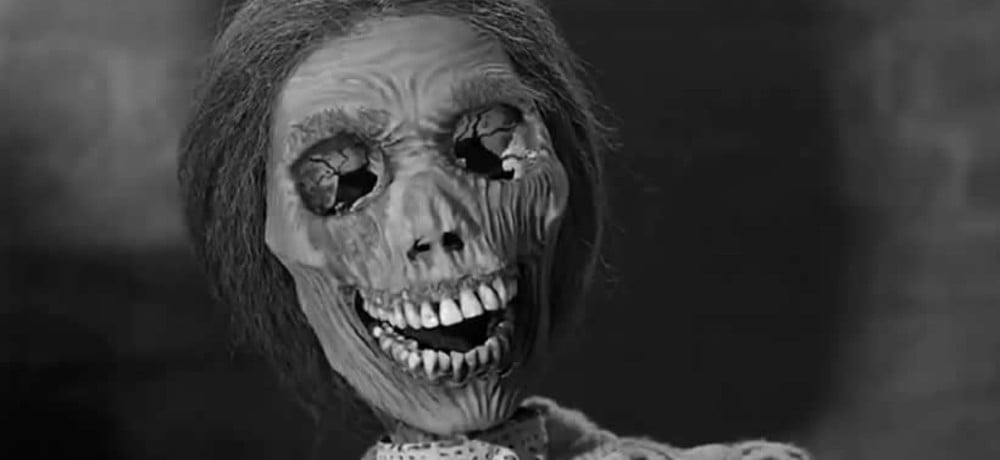
The production itself was conducted under a veil of secrecy. The set was closed, and the cast and crew were instructed not to discuss the details of the story. Hitchcock understood that the film's biggest selling point was something that couldn't be put into a traditional advertisement: the experience of organically discovering what was actually happening. He wasn't simply protecting the now notorious big twist in Psycho. He was protecting the entire audience's experience.
YOU'RE NOT COMING IN LATE
If there was one decision that separated the Psycho campaign from virtually anything Hollywood had attempted before it, it was Hitchcock's insistence that audiences had to see the movie from the very beginning. Today, courtesy of chains like AMC and Regal, and their app-based process that keeps the flow of moviegoers in-and-out with minimal fuss and relatively fast turnovers, that sounds like an obvious expectation. In 1960, it was anything but.
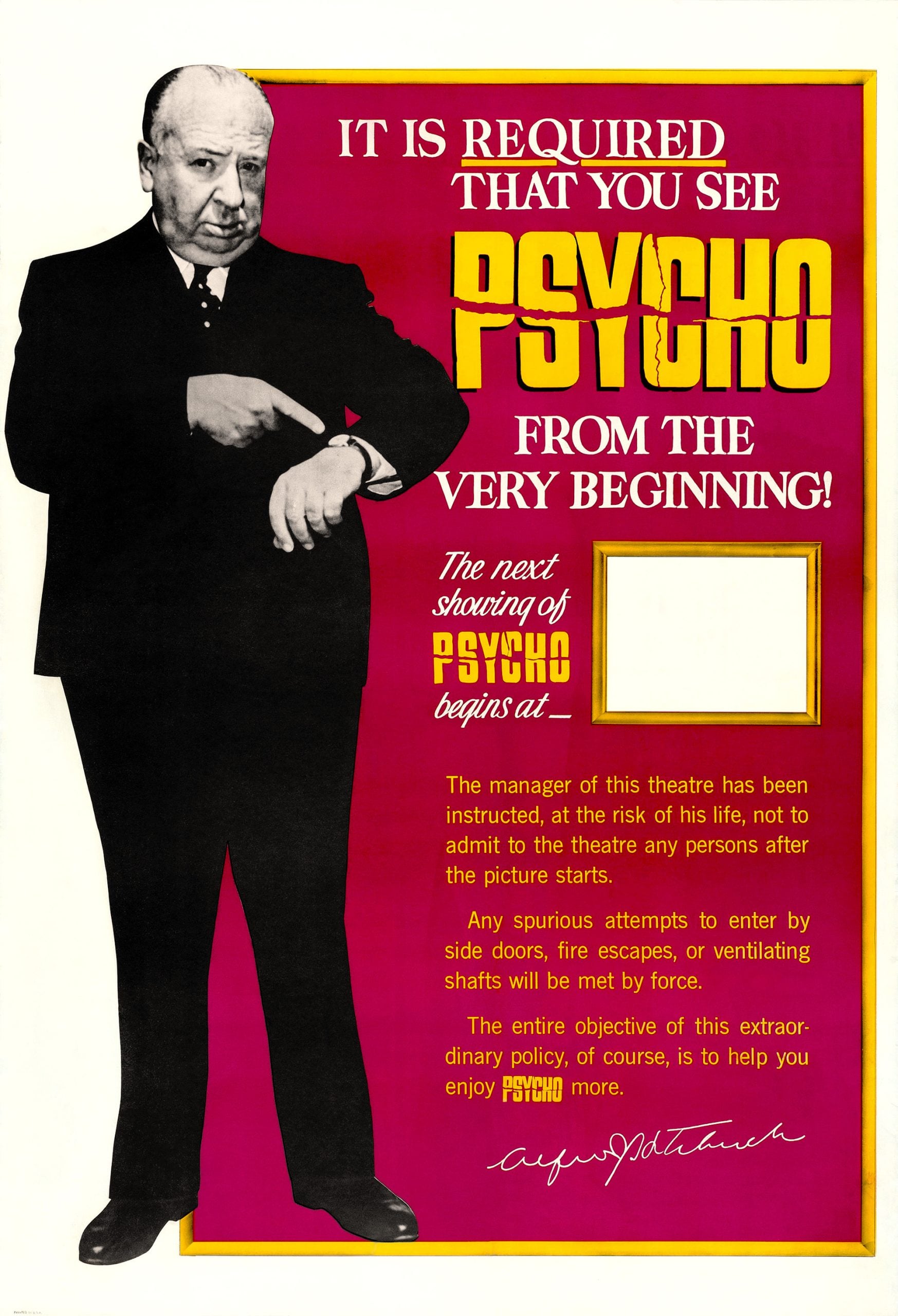
At the time, moviegoers routinely arrived whenever they pleased, walked into a theater in the middle of a screening, and stayed until the film cycled back around to the point where they had entered. Hitchcock wanted none of that madness for Psycho. He demanded that theaters refuse admission once a screening had begun.
The marketing campaign made this restriction impossible to miss. Advertisements featured enormous, emphatic warnings that nobody would be admitted after the picture started. Theater owners received instructions on how to enforce the policy. Some theaters even employed guards to prevent latecomers from slipping inside, while recordings of Hitchcock himself were played in theatres to explain the rules to patrons.
Needless to say, exhibitors weren't particularly thrilled by all this extra work for what must have seemed on paper like a likely lesser effort from a proven master. They worried that turning away paying customers would hurt business. But Hitchcock understood something they didn't: making a movie difficult to access could actually make people more determined to see it.
The restrictions created long lines outside theaters, with audiences waiting for the next screening.Those lines became their own form of advertising, attracting curiosity and reinforcing the idea that Psycho was something you simply had to experience for yourself.
It was a brilliant piece of marketing psychology. Hitchcock had taken an ordinary trip to the movies and turned it into an exclusive engagement, selling less the movie ticket than the fear of missing out on something special. And in the process, he helped change the way audiences thought about going to the movies. The idea that you should arrive before a film begins became part of the theatrical experience we take for granted today.
NO ADVANCE SCREENINGS. NOT EVEN FOR THE CRITICS.
Hitchcock's commitment to secrecy extended to the press, which was accustomed to receiving advance screenings and reviewing films before their general release.
Not this time. Critics would have to purchase tickets and watch the film alongside the general public. It was an unusual and, for some members of the press, infuriating decision. The strategy wasn't without consequences. Some early reviews were decidedly cool, with critics questioning the film's subject matter and approach. But the audience response was another story, and as the film's reputation grew, some of those initial critical assessments softened.
Hitchcock was essentially telling the press that, for once, they weren't entitled to know something before everyone else. They could buy a ticket like everybody else and experience the movie on its own terms.
THE TRAILER THAT SHOWED ALMOST NOTHING
Of course, keeping a movie's secrets under wraps is only half the battle. You still have to convince people to see it. This is where Hitchcock's promotional ingenuity really shines.
Rather than assembling a traditional trailer filled with dramatic footage, plot exposition, and quick cuts of the movie's biggest moments, Hitchcock created an approximately six-minute guided tour of the Bates Motel and the ominous house sitting behind it. Serving as his own tour guide, Hitchcock wanders through the locations, dryly recounting some of the disturbing events that supposedly took place there as if they were true events. He teases the audience, hints at the horrors of the Bates Motel, and repeatedly approaches the point where he might reveal something important, only to stop himself.
It's a seriously amusing, wonderfully macabre piece of promotion that feels less like a movie trailer and more like Hitchcock inviting you to take a peek inside a crime scene.
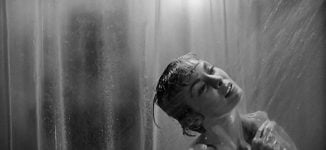
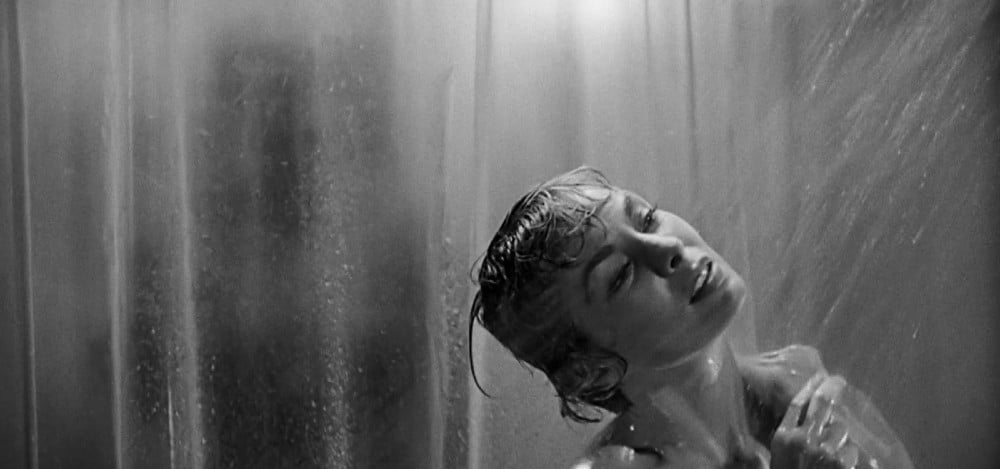
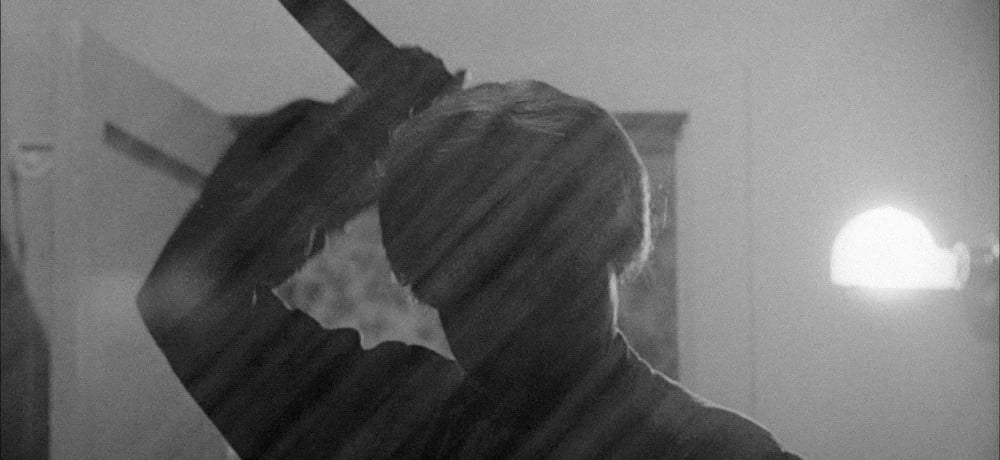
The trailer eventually arrives at the infamous bathroom, where a woman steps into the shower. We get a quick glimpse of a screaming figure, but even here there's a little deception at work. Fun fact: the woman in the trailer is actually Vera Miles, Lila Crane herself, wearing a blonde wig, standing in for Janet Leigh, who wasn't available for the shoot.
It's a genuinely brilliant touch. Even the trailer was playing games with the audience. The message was simple: there's something terrible happening at the Bates Motel, but you're going to have to buy a ticket to find out what it is.
DON'T TELL ANYONE WHAT HAPPENS
Once audiences had seen Psycho, Hitchcock wanted them to keep their big mouths shut.
The campaign actively encouraged moviegoers not to reveal the film's secrets to friends, family, or anyone else who hadn't yet experienced it. The cast was also kept away from promotion and interviews that might inadvertently reveal too much. Janet Leigh, in particular, was a major part of the film's promotional identity, but Hitchcock wasn't about to let the usual publicity machinery undermine his carefully constructed mystery.
This is perhaps the most interesting aspect of the entire campaign. Hitchcock wasn't just marketing a movie, rather he was recruiting the audience to help market it. Every person who saw Psycho and kept its secrets was effectively helping sell another ticket. The curiosity surrounding the film became a self-perpetuating promotional machine. People wanted to see it because they didn't know what happened, and those who had seen it were encouraged to make sure nobody else found out. In today's spoiler-obsessed culture, this might sound familiar. But Hitchcock was doing it decades before social media, viral marketing, or the concept of an online spoiler warning.
THE PAYOFF: A LITTLE MOVIE THAT MADE A LOT OF NOISE
Hitchcock’s unconventional strategy worked spectacularly, and his gamble on a risky, largely self-financed project paid off.
Opening in New York on June 16, 1960, before expanding into wider release later that summer, Psycho became one of the biggest box-office successes of the year. Its relatively modest production budget generated enormous returns, and Hitchcock's financial arrangement, which included ownership of the film, made him an extraordinarily wealthy filmmaker.
But the legacy of Psycho extends well beyond its box-office performance. Hitchcock had demonstrated that a movie's marketing could become an essential part of the theatrical experience itself. He had created anticipation through restriction, turned a simple theater policy into a promotional spectacle, and convinced audiences that the most valuable things they could bring to the theater was their ignorance of what was about to happen and their active imaginations.
THE LEGACY: HITCHCOCK'S PLAYBOOK IS STILL BEING USED
More than six decades later, the principles behind Hitchcock's campaign are still woven into the fabric of entertainment marketing.
Think about the movies that have successfully built their reputations around protecting a major revelation. The Sixth Sense, The Others, and The Usual Suspects all benefited from audiences experiencing their stories without knowing where they were headed. The success of those films depended, in part, on the same basic premise Hitchcock understood with Psycho: the less you know going in, the more powerful the experience can be.
Studios continue to use teaser campaigns that deliberately withhold information. Filmmakers ask audiences not to spoil major plot developments. Opening-night screenings and fan events are designed to make theatrical attendance feel like an occasion rather than simply another night at the movies.
And yet, in an era when studios are constantly asking their stars to give audiences more access, more information, and more personality, there's something refreshing about Hitchcock's approach. He didn't need Janet Leigh to eat chicken wings to sell Psycho. He didn't need Anthony Perkins participating in a TikTok challenge or giving away behind-the-scenes anecdotes on a podcast. He didn't need to explain the movie to anyone.
He just needed people to wonder what was happening behind that shower curtain.
THE FINAL CUT
The genius of Alfred Hitchcock's Psycho campaign wasn't simply that he kept audiences from knowing what happened in the movie. It was that he made not knowing an essential part of the experience. He turned a theater's front door into a marketing tool, made critics pay for the privilege of being surprised, transformed a trailer into a guided tour of impending terror, and convinced audiences that keeping a secret was just as important as discovering one.
Today, studios spend millions trying to manufacture anticipation, generate online conversation, and convince audiences that a movie is an event worth leaving the house for. Hitchcock managed to accomplish all three by telling people almost nothing.
Instead of selling a horror movie, he sold the fear of finding out what was inside. And sixty-six years later, Hollywood is still trying to copy how he did it.
------
REFERENCES:
Kris Longo is the CEO and Publisher of PANICK Entertainment LLC, a horror-focused entertainment company dedicated to developing bold, creator-driven stories across comics, games, and multimedia. He is also the Co-Founder of Modern Fanatic, a fandom-focused marketing agency that helps brands, creators, and entertainment companies build authentic connections with passionate fan communities.
Kris Longo is the CEO and Publisher of PANICK Entertainment LLC, a horror-focused entertainment company dedicated to developing bold, creator-driven stories across comics, games, and multimedia. He is also the Co-Founder of Modern Fanatic, a fandom-focused marketing agency that helps brands, creators, and entertainment companies build authentic connections with passionate fan communities.